
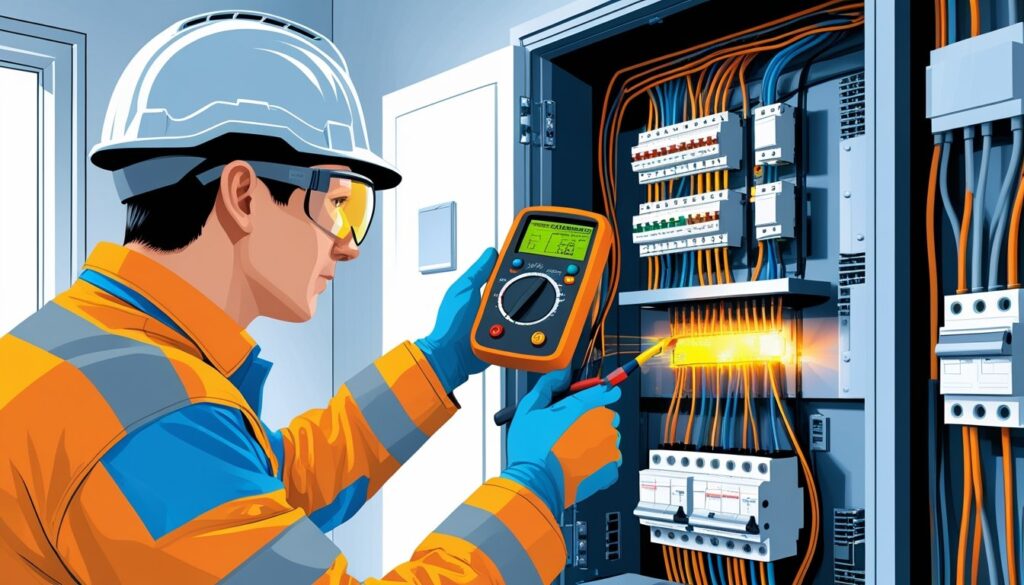
Hidden electrical problems are tricky—they often go unnoticed but can lead to serious risks if left alone. Start by watching for flickering lights, tripped breakers, warm outlets, or odd noises from switches and outlets. Tools like voltage testers and multimeters can help you catch wiring problems that aren’t obvious at first glance.
If something seems off, don’t hesitate to call an expert. At Magnify Electric, our licensed electricians handle everything from quick fixes to tricky wiring jobs for homes and businesses. We’re here to make sure your electrical system works safely and efficiently, so you can focus on what matters.
You don’t need to be an expert to protect your home or business from hidden electrical faults. With some basic knowledge and a good electrician on your side, you can spot issues before they turn into real trouble.
What Are Hidden Electrical Problems?
Hidden electrical problems are faults in your home’s wiring or devices that you just can’t see. They can cause sparks, flickering lights, or even dangerous situations—sometimes without any warning. Knowing what these problems look like and the dangers they bring helps you act before things get out of hand.
Common Types of Hidden Electrical Issues
Old or damaged wiring is a big one, especially in homes built decades ago. These wires can short out or overload when you plug in modern appliances.
Loose connections are another problem. Where wires meet outlets or switches, loose spots can cause flickering lights or warm outlets.
Hidden shorts happen when wires that shouldn’t touch do, leading to tripped breakers or even a burning smell.
Faulty circuit breakers might not shut off power when they should, making things riskier than you’d think.
Most of these issues are hard to spot unless you know what to look for. If you notice flickering lights, warm outlets, or a burning smell near anything electrical, it’s time to call a pro.
Risks Associated With Concealed Electrical Faults
Hidden electrical faults are nothing to shrug off. They can spark electrical fires if ignored. Old wiring might overheat or short-circuit, sending sparks inside your walls.
These issues can also drive up your electricity bills without any clear reason.
Electrical shocks are another nasty risk, especially if wires are exposed or damaged.
If you’re living or working in a place with these problems, get an inspection and repairs done by someone who knows what they’re doing.
Signs You May Have Hidden Electrical Problems
Hidden electrical problems don’t always shout—they whisper. Small clues around your home can tip you off. Strange smells, weird electrical behavior, or warning signs from your appliances are all worth paying attention to.
Physical Symptoms in the Home
Check for warm or discolored outlets. If outlets or switches feel hot, they might be overloaded or have faulty wiring. That’s not something to brush off.
A burning smell near outlets or electrical gear is a red flag. Often, it means overheating wires or connections that could catch fire.
Flickering or dimming lights can signal loose wiring or overloaded circuits. If it keeps happening, your electrical system may need help.
Unusual Electrical Behaviors
If your circuit breakers trip often, that’s a sign of electrical shorts, overloaded circuits, or faulty wiring. Don’t ignore it.
Power outages in just one room or a few outlets usually mean wiring problems in those spots—maybe loose connections or damaged wires in the walls.
Sparks or buzzing sounds from switches or outlets when you flip something on or off? That’s your system telling you something’s wrong.
Warning Indicators From Appliances
Appliances acting up—stopping suddenly or working inconsistently—could be reacting to electrical issues. If your microwave or washer keeps cutting out or acting strange, the power supply might be the culprit.
If an appliance trips a breaker as soon as you turn it on, that points to shorts or bad wiring nearby.
Plug into an outlet and it feels warm? That’s not good for your appliance—or your home.
Causes of Hidden Electrical Issues
Most hidden electrical problems start with things you can’t see right away. They often come from old wiring that’s past its prime or from sloppy installation that leaves your system open to trouble. Knowing what causes these issues helps you catch them before they get worse.
Aging or Outdated Wiring
Old wiring is a common source of hidden electrical problems. As wires age, they get brittle, insulation cracks, and connections loosen up. That’s when you start seeing shorts, sparks, or even fires.
You might see flickering lights, outlets that don’t work, or breakers that trip more than they should. These are all signs your wiring could be worn out. Many older homes just aren’t built for today’s electrical demands, so outdated wiring is a big deal.
Our electricians at Magnify Electric check wiring thoroughly and update old systems, making sure everything runs smooth and safe.
Poor Installation Practices
Bad installation can hide problems that show up later. Think loose connections, wrong wire sizes, or wires that get pinched or damaged inside the walls. These mistakes might not show up right away but can cause frequent breaker trips, weird smells, or dead outlets.
If wiring isn’t secured or routed properly, it wears down faster from rubbing or heat. Catching this kind of damage takes experience and the right tools.
When you hire Magnify Electric, you get licensed electricians who follow strict safety standards. We fix installation mistakes so your electrical system stays safe and reliable.
How to Find Hidden Electrical Problems Yourself
Finding hidden electrical problems means paying attention to the little things you might usually ignore. By watching, listening, and even smelling for clues, you can catch issues early—hopefully before they get serious.
Visual Inspection Techniques
Look for any visible signs of trouble. Check outlets, switches, and breakers for cracks, burn marks, or discoloration. Those are signs of overheating or short circuits.
Peek behind furniture and appliances if you can. Sometimes you’ll spot loose or frayed wires without taking anything apart. Use a flashlight to inspect junction boxes if you’ve got access.
If your home has old wiring, watch for cloth-covered wires or knob-and-tube systems. They’re usually not up to modern standards. Snapping a photo of damaged spots can help when you call in the pros.
Listening for Unusual Noises
Electrical issues sometimes make sounds you don’t expect. Buzzing, crackling, or popping near outlets or switches might mean loose connections or arcing.
Hear clicking from your breaker box? That could be an overloaded circuit or a breaker that’s on its last legs. Notice when the sounds happen—if they start up when you turn on certain devices, you’ve got a clue.
If you hear these noises, avoid using the affected outlets and call a professional. Magnify Electric’s team can handle it safely.
Using Smell to Detect Electrical Issues
A burning or fishy smell is a big warning sign. It might mean wires are overheating, insulation is melting, or there’s a short circuit hiding behind the walls or in an outlet.
If you notice that smell, act fast. Turn off power to the area if you can do it safely. Try to track down where it’s coming from—outlets, switches, breaker boxes, or appliances are common sources.
Even faint or occasional smells matter. They usually get worse, not better. Give Magnify Electric a call and let us check things out before it becomes a bigger problem.
Diagnostic Tools and Methods
Finding hidden electrical problems takes more than just a sharp eye. You’ll want tools that can spot heat from bad parts and measure electricity safely. Each tool gives you a different clue.
Infrared Cameras for Hotspots
Infrared cameras let you see heat you’d never feel otherwise. When electrical parts get too hot, it often means loose connections or overloaded circuits. The camera shows these “hotspots” in bright colors—pretty handy, honestly.
You don’t have to touch wires or breakers, so it’s safe. It works great for checking fuse boxes, outlets, and even wiring behind walls. Spotting heat early can stop fires or failures before they start. If you see a hotspot, don’t mess around—call Magnify Electric’s licensed electricians. We’ll handle it quickly.
Multimeters and Voltage Testers
Multimeters and voltage testers are must-haves for electrical checks. A multimeter measures voltage, current, and resistance, helping you find shorts, breaks, or bad connections inside wires and devices.
Voltage testers are simpler—they tell you if there’s electricity present without direct contact. Great for quick checks when you turn off circuits or breakers.
With these tools, you can test outlets, switches, and appliances one at a time to find the trouble spot. Magnify Electric’s team uses advanced multimeters to diagnose issues, saving you time and keeping things safe.
When to Call a Licensed Electrician
Sometimes, you just need a pro. Knowing when to call can save you from headaches—or worse. Some signs and jobs need expert hands to avoid shocks or fires. Picking the right electrician makes sure everything’s done right and meets safety rules.
Situations Requiring Professional Help
Call a licensed electrician if your circuit breaker keeps tripping or you spot flickering lights. These can mean hidden wiring issues that could get dangerous. Strange smells, sparks, or blown fuses? Time to get help.
Jobs like rewiring a room, adding new circuits, or fixing breaker panels aren’t DIY projects. These require know-how and the right tools. Doing it yourself can be risky and might not meet code.
Regular inspections by a licensed electrician can catch problems early, especially in older homes. When in doubt, it’s always smarter—and safer—to call a professional.
Choosing the Right Electrical Professional
Start by checking if your electrician’s licensed and insured—no shortcuts here. That’s your safety net, and it means they’re not just winging it. At Magnify Electric, we’ve handled everything from basic fixes to those head-scratching commercial jobs, so we’re not new to this.
Don’t skip the reviews. Browse good reviews and ask to see what they’ve done before. If you’ve got a specific problem, ask if they’ve tackled it. Transparent pricing and easy back-and-forth? That’s how you know you’re not dealing with someone shady.
You want an electrician who listens and actually explains what’s going on, not just grunts and hands you a bill. Quality materials and the right tools matter too—nobody wants to fix the same thing twice. Magnify Electric’s ready to help, whether it’s your home or business, whenever you need us.
Preventing Future Hidden Electrical Problems
Staying safe at home or work means putting in a bit of effort to avoid sneaky electrical issues. A little attention and some well-timed upgrades can make a big difference.
Regular Maintenance Tips
Give your electrical system a once-over now and then. Catching weird stuff early—like flickering lights, breakers that trip all the time, or warm outlets—can save you a headache later.
Peek at your outlets, switches, and breaker box for anything that looks or sounds off. Hear buzzing? See scorch marks? Don’t just shrug it off.
Keep your panel free of dust and clutter. And resist the urge to cram a bunch of gadgets into one outlet. Overloading circuits is a classic way to create hidden problems.
Not sure what’s going on? Bring in our licensed electricians at Magnify Electric. We’ll check everything out and catch the small stuff before it turns into a big deal.
Upgrading Old Electrical Systems
Old wiring can hide all kinds of trouble. If your place is over 20 years old, it’s probably time for an electrical checkup. Outdated circuits and panels just can’t keep up with today’s demands.
A new breaker panel handles modern loads better and helps stop overloads or hidden shorts. Updating wiring or breakers isn’t just about safety—it’s about peace of mind.
Our crew at Magnify Electric handles upgrades from start to finish. Whether you need a new panel or a full rewiring, we’ll get it done right and up to code.
Documenting and Reporting Electrical Issues
It’s smart to keep a record of any electrical issues and repairs. Staying organized helps you and anyone else involved stay on top of things.
Keeping Track of Electrical Repairs
Jot down what happens every time you or a pro works on your electrical system. Note the date, what went wrong, what got replaced, and any test results.
A simple table or notebook does the trick:
| Date | Issue | Work Done | Notes |
|---|---|---|---|
| 10/01/2025 | Tripped breaker | Reset and tightened | No further trips |
| 10/07/2025 | Outlet not working | Replaced outlet | Tested voltage, all good |
You’ll start to see patterns—like a breaker that just won’t behave. And if you call Magnify Electric, having these notes means we can jump right in without guessing. It’s just good sense.
Communicating With Property Owners or Managers
Find an issue in a rental or business space? Don’t wait—let the owner or manager know as soon as possible. Stick to email or texts so there’s a record.
Be specific:
- Where’s the problem? (e.g., kitchen outlet, office light)
- What’s happening? (e.g., sparks, no power)
- Is it urgent?
Clear reports help owners understand what’s at stake and move faster on repairs. If you’re renting, keeping a copy covers you if things go wrong later.
Magnify Electric’s licensed electricians can provide repair reports you can share. That way, everyone’s on the same page and you’re not left guessing.
Frequently Asked Questions
Spotting wiring issues, tracing faults, and knowing the risks—it’s not rocket science, but it does keep your place safe. There are signs if you know where to look, and fixing problems early matters.
What are common signs of faulty electrical wiring?
You might see flickering lights, dead outlets, or breakers that keep tripping. Burn marks or weird smells near outlets? That’s a red flag. Sometimes you’ll hear buzzing or crackling from a switch or outlet.
What are some common solutions for electrical wiring problems?
Usually, you’ll need to swap out damaged wires or outlets. Tighten up loose connections, and if your wiring’s ancient, it might be time for an upgrade. Sometimes installing new breakers or outlets is the only way.
How can you trace and identify an electrical fault in your home?
Grab a multimeter and check for breaks or shorts. Look for tripped breakers, and test outlets one at a time. Careful tracing helps you zero in on the trouble spot.
What are some examples of faulty wiring issues?
If wires are frayed, discolored, or the insulation’s melted, that’s trouble. Bad connections or anything not up to code can be dangerous. Circuits that trip all the time are another giveaway.
What are the risks associated with bad wiring, and how can you address them?
Bad wiring can shock you, start a fire, or fry your appliances. If an outlet or switch looks sketchy, stop using it. Your safest move? Call a licensed electrician like Magnify Electric to sort it out.
How should you approach fixing bad wiring in a house?
First things first—flip off the power at the main breaker. Seriously, don’t skip that. Grab the proper tools, and try to stick to local electrical codes (they exist for a reason, even if they’re a pain). Not sure what you’re doing? Honestly, just call in a pro. Magnify Electric’s licensed electricians have seen it all, and they’ll sort out your wiring without turning your house into a science experiment.