
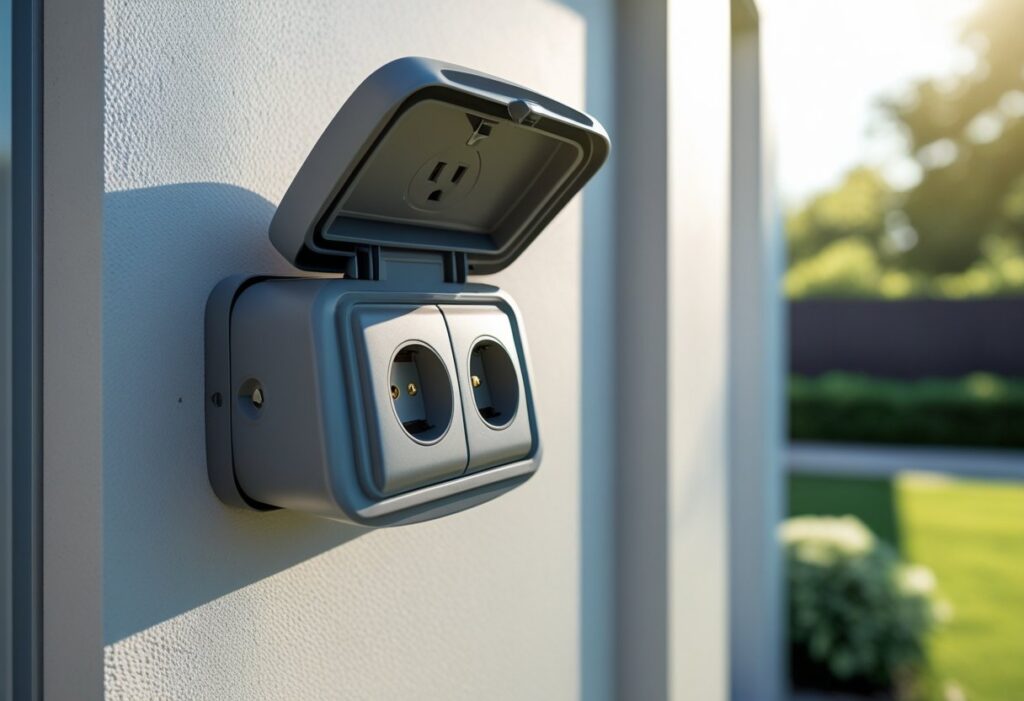
Adding an outdoor electrical outlet can make your yard or patio way more useful. Whether you’re looking to power tools, string up lights, or just want to plug in a speaker outside, having an outlet nearby saves you a lot of hassle and keeps you from dragging extension cords all over the place. A weatherproof outdoor outlet that follows safety rules gives you safe, easy access to electricity whenever you need it.
Not sure where to start or if this is even a DIY project for you? Our licensed electricians at Magnify Electric can help with any outdoor electrical work, from simple installations to more complex setups. We handle jobs for both homes and businesses and make sure your electrical upgrades are done right the first time.
When you go with Magnify Electric, you’re working with a team that cares about safety and quality. We take care of everything—from basic lighting changes to full electrical panel work—so your outdoor space gets more useful without you having to worry. Let us make your outdoor electrical projects easy and reliable.
Understanding Outdoor Electrical Outlets
Outdoor electrical outlets let you use power outside your home or business safely. They come in a few styles, depending on what you need—maybe just plugging in some tools or lighting, maybe something a little more advanced. Having electricity outside makes so many tasks simpler and just makes your space more usable.
What Is an Outdoor Electrical Outlet
An outdoor electrical outlet is basically a power source built to handle outdoor conditions. It’s got weatherproof features to keep water, dirt, and debris out of the important parts. These outlets have to meet certain safety codes to protect you from electric shock or fire.
Usually, they come with covers that snap shut when you’re not using them, keeping rain and moisture out. Ground-fault circuit interrupter (GFCI) protection is standard for outdoor outlets. If something goes wrong, it cuts the power fast and helps keep you safe.
Types of Outdoor Electrical Outlets
Here’s a quick rundown of the main types:
- Standard 15-amp outlets: These work for small tools or light outdoor use.
- GFCI outlets: Required for most outdoor installations. These protect you from shocks.
- Weatherproof or “in-use” outlets: They’ve got covers that let you keep cords plugged in while still blocking out the weather.
- Smart outlets: Control devices remotely or set schedules—handy for outdoor lighting or irrigation.
The right choice depends on what you’ll be plugging in and how much protection you want.
Benefits of Outdoor Power Access
Outdoor outlets just make life easier. You can plug in tools for gardening or repairs, set up lighting, or even power appliances—no more tripping over extension cords running from inside the house.
They can also add value and appeal to your property, especially if you like spending time outdoors. Magnify Electric’s licensed electricians install outdoor outlets safely and up to code, so you get reliable power where you need it.
Safety Precautions for Outdoor Electrical Work
Working with outdoor electrical outlets isn’t something to take lightly. The right safety gear, weather protection, and following local electrical rules are all musts for a safe, code-compliant project.
Essential Safety Gear
Before you start, grab the right gear. Always wear insulated gloves to lower your risk of shock. Safety glasses help keep sparks and debris out of your eyes.
Work boots with rubber soles are a good idea—they keep you from accidentally grounding yourself. If you’re using a ladder, make sure it’s fiberglass or another non-conductive material.
A voltage tester or multimeter is a must for checking if wires are live. Never trust that the power’s off—test it. Flip the main breaker before you touch any wires.
Use tools made for electrical work, and keep everything dry. Seriously, don’t mess with electricity in wet conditions.
Weatherproofing and Protection
Outdoor outlets need to be weatherproof to deal with rain, sun, and temperature swings. Use a weatherproof box with a tight cover to keep water out.
Look for outlets and covers labeled for outdoor use—think UL listed or NEMA rated. Seal any gaps around the outlet box with outdoor-rated caulk to keep out moisture and bugs. If your outlet is in a spot that gets wet, install a GFCI to cut the power if water causes trouble.
Weatherproofing is worth the extra effort. It keeps your electrical setup safe and lasting longer.
Understanding Local Electrical Codes
Electrical codes can change from one place to the next, and they set the rules for how outdoor outlets get installed. These rules help prevent accidents and make your work legal.
You’ll need to meet spacing rules, use the right wire size, and mount outlets at the correct height. Most places require GFCI protection for any outdoor outlet.
Check with your city or county’s building department before you start. If you skip the codes, you could get fined or have to redo the work.
If you’re not sure about the rules or wiring, just call Magnify Electric. We know the codes and will make sure your outdoor outlet is safe and compliant.
Planning Your Outdoor Outlet Installation
Before you start, pick your spot, choose the right outlet and cover, and make sure your power setup fits your needs. Planning ahead keeps things safe and makes sure your outlet actually works the way you want.
Choosing the Best Location
Find a spot near where you’ll use the outlet most—patios, decks, garden sheds, you name it. Make sure it’s easy to reach but not somewhere water can collect or where it could get banged up.
The location has to meet local codes—usually, outlets need to be at least 6 feet from pools or fountains.
Think about the future, too. Maybe you’ll want extra outlets or more spots for tools or lights later. Our electricians at Magnify Electric can help you pick the safest, most convenient place.
Selecting the Right Outlet and Cover
Go for an outdoor-rated, weatherproof outlet. It should have a GFCI to protect against shocks—super important outside.
The cover needs to be weatherproof, too, and keep the outlet protected even when something’s plugged in. Look for “in-use” or “bubble covers” for the best protection.
Make sure everything meets safety standards and local codes. Magnify Electric can help you pick the right gear for a safe, functional setup.
Calculating Power Requirements
Figure out how much juice you’ll need. List what you want to plug in—lights, tools, appliances, whatever.
Add up the wattage or amps for everything. Stay under 80% of the circuit’s capacity to avoid overloads.
If you’ll need a lot of power, you might want a dedicated circuit or subpanel just for outdoor use. We can help you calculate the load and make sure everything’s set up safely.
Tools and Materials Needed
To install an outdoor electrical outlet, you’ll need some specific tools and materials. Having everything ready keeps the job moving and helps make sure the outlet works in any weather.
Required Tools Checklist
Here’s what you’ll want on hand: a voltage tester to make sure the power’s off, a screwdriver set (flathead and Phillips), and a wire stripper for cleanly removing insulation—usually about 3/4 inch.
A drill with a masonry bit is handy if you’re going through brick or concrete. Grab a measuring tape for placement and a pencil or marker to mark where things go. Gloves and safety goggles are just smart for protecting yourself.
Recommended Materials
Get a weatherproof outdoor outlet box rated for wet locations. This keeps water and dirt out. Use a GFCI outlet—it’s required and protects you from shocks.
You’ll also need outdoor-rated electrical wire (usually UF, or underground feeder). Use PVC conduit or flexible conduit to protect the wire between the outlet and power source.
Pick up weatherproof outlet covers that close tight when not in use. It’s a small thing, but it really helps the outlet last.
Optional Accessories
A few extras can help: a circuit tester to double-check wiring, cable clamps or staples to keep wires neat, and maybe a lockable outlet cover for security.
An outdoor light fixture nearby can make things safer at night. Smart outlets and timers are also nice for controlling devices or scheduling power. If you want any of these, Magnify Electric’s licensed electricians can help you out.
Step-by-Step Outdoor Outlet Installation
Installing an outdoor electrical outlet takes planning and a steady hand. You’ll start by turning off the power (seriously, don’t skip this), then run the wiring from your home’s circuit, mount the outlet so it’s secure and weatherproof, and connect and test everything to make sure it works.
Shutting Off Power Safely
First thing: turn off the power at your main electrical panel. It’s the only way to protect yourself from shocks. Use a voltage tester to double-check that nothing’s live.
If you can, lock or tag the breaker so nobody flips it back on by mistake.
Don’t rush this step. Always, always confirm the power’s off before touching wires or outlets.
Running Electrical Wiring
Next, figure out where you’ll run your wiring from—usually an existing outlet or your main panel. Use wiring rated for outdoor use, like UF-B or something in conduit.
Plan the route so the wire’s hidden and protected. Secure it with staples or straps every few feet. Keep wires away from sharp edges and heat sources.
Not sure about codes or wire size? That’s what we’re here for. Magnify Electric can make sure your wiring’s up to snuff.
Mounting the Outdoor Outlet
Pick a weatherproof outlet box and cover. Mount it on something solid—wood siding, a pole, whatever works for your setup. Use screws or anchors to keep it steady.
Get the box tight and level, and run a bead of silicone sealant around the edges to block moisture. Always use an outdoor GFCI outlet to protect against shocks.
Check that the outlet’s easy to reach but not in harm’s way.
Connecting and Testing the Circuit
Strip about 3/4 inch of insulation from each wire. Connect the black (hot) wire to the brass screw, white (neutral) to the silver, and green or bare copper (ground) to the green screw.
Use wire nuts for any splices and make sure everything’s snug. Attach the outlet, secure the cover, and turn the power back on.
Test the outlet with a plug-in tester or device. Make sure the GFCI trips if there’s a fault. If something’s off, shut the power and check your connections again.
If you want backup or just don’t want to mess with it, Magnify Electric’s licensed electricians can walk you through the process or handle it for you—safely and up to code.
Weatherproofing and Protecting Your Outdoor Outlet
Keeping your outdoor outlet safe and working takes a bit of planning—mainly, you need to guard it from water, dirt, and power surges. Good protection means using the right safety devices, sturdy covers, and making sure you’re not letting the weather ruin your setup.
Installing GFCI Protection
A GFCI (Ground Fault Circuit Interrupter) outlet is a must for outdoor electrical safety. It shuts off power fast if it senses a short or ground fault, which can help prevent shocks.
Before you start, switch off power at your breaker panel and double-check there’s no electricity running to the outlet. GFCI outlets are made for damp spots and handle moisture better than standard ones.
They also protect your system from issues caused by wetness or bad wiring. If you’re not comfortable doing this yourself, Magnify Electric’s licensed electricians can handle the install and testing, making sure you’re up to code.
Applying Outlet Covers and Boxes
Weatherproof covers and boxes keep rain, snow, and debris out of your outdoor outlet. Go for covers labeled “in-use” or “bubble covers”—they let you keep cords plugged in while the outlet’s still sealed up.
Pick covers made from tough, weather-resistant plastic or metal. These can take a beating from sun, heat, or cold without falling apart.
Check that the cover seals tightly. If you’re in a place with heavy storms or dust, this matters even more. A proper weatherproof box keeps your outlet and wiring safer from shorts or corrosion.
Avoiding Common Weather-Related Issues
Water pooling, freezing, pests, and harsh sun can all mess with outdoor outlets. Always install outlets a bit above ground level to steer clear of puddles and flooding.
Take a look at your outlet now and then for cracks, rust, or loose connections. Swap out damaged parts right away. Don’t ignore insect nests or debris in the cover box—those can cause headaches too.
Magnify Electric can help you figure out the right placement, height, and weather protection so your outdoor outlets last and stay safe through all kinds of weather.
Troubleshooting and Maintenance
Keeping your outdoor outlet working safely takes some attention—test it, check for problems, and do regular inspections. You don’t need to be an expert, but a little know-how helps you catch issues before they get worse.
Testing for Proper Operation
Start by testing the outlet. Use a voltage tester or just plug in a lamp or phone charger. If it doesn’t power on, you might have a problem.
See if the breaker tripped. If it did, reset it and try again. Sometimes, it’s just a loose connection or a blown fuse.
Check for dirt or debris inside the outlet. Moisture or gunk can mess with the connection. Wipe it out with a dry cloth—don’t use water.
Diagnosing Installation Issues
If the outlet still doesn’t work, take off the cover and check the wiring. Make sure all wires are snug and in the right spots. Sloppy or wrong wiring can cause issues or even be a safety hazard.
Look for damage like cracked or melted plastic. That sometimes means a short circuit or overload. Also, double-check that your weatherproof cover is installed right.
If you’re scratching your head, just call Magnify Electric. Their electricians handle all kinds of jobs and make sure things are safe and up to code.
Ongoing Safety Checks
Check your outdoor outlet regularly for cracks, rust, or other damage to the cover or the outlet itself. Swap out anything that looks worn.
Make sure the weatherproof cover actually closes all the way. Even a small gap can let in moisture and cause corrosion or shorts.
Test the outlet every few months with a tester or a simple device, just to make sure it’s still working. If the breaker trips, reset it.
Magnify Electric can help you set up a maintenance routine or just do the checks for you. They’re around for big or small electrical jobs.
Popular Uses for Outdoor Electrical Outlets
Outdoor outlets open up a lot of possibilities. You can power lights, garden tools, decorations—really, whatever you need outside. No more dragging extension cords everywhere, and you avoid sketchy wiring setups.
Outdoor Lighting Solutions
Outdoor outlets make it easy to power up landscape lights, security lights, and string lights. If you install outlets near walkways or patios, you can add lighting where you want it and keep things simple to control.
Weatherproof outlets keep your lights safe from rain and dust, so you don’t have to replace them as often. Timers or smart plugs can automate your lights, which is a nice way to boost safety without thinking about it every day.
Yard and Garden Power Needs
With outdoor outlets, running power tools like lawnmowers and pressure washers is way easier. You don’t have to mess with long extension cords, which means fewer tripping hazards and less hassle.
You can also plug in water pumps, garden light timers, or electric fountains. GFCI-protected outlets are especially important here—they’ll shut off power fast if there’s a problem with moisture or wiring.
Holiday and Event Decorations
Setting up holiday lights or decorations is a breeze with outdoor outlets. Plug in displays, inflatables, or speakers without worrying about too many cords crossing your yard.
For parties, you can power heaters, music, or even food warmers. If you want everything installed right and safe, Magnify Electric’s electricians make sure you’re good to go—no electrical risks, just reliable power for your next get-together.
When to Call a Licensed Electrician
Installing outdoor outlets seems simple, but sometimes it’s best to bring in a pro. If you’re not sure, or if the job feels bigger than just swapping out an outlet, don’t risk it. Some projects really do need specialized skills—especially if you’re dealing with tricky wiring or upgrades.
Complex Installations
If you need new circuits, multiple outlets outside, or want to add smart tech, it’s time to call an electrician. They know the codes, wiring diagrams, and how to hook everything up to your breaker panel.
Wiring mistakes can lead to surges or shorts—sometimes even fires. A pro makes sure every connection is solid and up to code, which saves you money and headaches down the line.
Electrical Safety Concerns
Outdoor work brings extra risks like moisture and bad weather. If you’re unsure about grounding, GFCI outlets, or waterproof covers, let a licensed electrician handle it.
Outlets need to be weatherproof and grounded to avoid shocks or shorts. Electricians use the right materials and know-how to keep your home safe. If your outlets are near water or exposed to rain, professional installation is just the smart move.
Upgrading Existing Wiring
Adding an outdoor outlet to an old circuit sometimes means you need to upgrade your wiring or breaker panel. Old systems might not handle the extra load safely. If you notice flickering lights or breakers tripping, it’s a sign you need a pro to take a look.
Licensed electricians can check your setup and suggest upgrades. They’ll make sure your outlets are on the right circuit and your panel can handle the new demand. That’s how you avoid fires and keep things running smoothly.
Magnify Electric’s licensed electricians are ready to help with any of these jobs. Whether it’s your home or business, they offer skilled, safe installations for all your outdoor electrical needs.
Frequently Asked Questions
Installing an outdoor outlet takes some care—think safety, materials, and following local codes. You might also wonder which outlet to pick for wet areas or how to keep it working long term.
What safety precautions should I consider before installing an outdoor electrical outlet?
Always shut off power at the breaker before starting. Use a voltage tester to make sure there’s no electricity running to the wires.
Ground the outlet properly. Weatherproof covers and GFCI outlets are must-haves to prevent shocks and protect from water.
Can I install an outdoor outlet myself, or should I hire a professional electrician?
If you’ve got some electrical experience, you might be able to do it yourself. Still, outdoor work means dealing with weatherproofing and local codes, so it’s usually safer to hire a pro.
Magnify Electric has skilled, licensed electricians for both homes and businesses. They make sure your outlet is safe and up to code.
What type of outdoor outlet is best for areas exposed to water or weather?
Go with a GFCI (Ground Fault Circuit Interrupter) outlet made for outdoor use. These shut off power fast if there’s a ground fault, lowering your shock risk.
Get outlets with weather-resistant covers that close tight to keep out rain and moisture.
How can I ensure my outdoor electrical outlet is up to code?
Follow local building codes and electrical rules. Usually, you’ll need GFCI protection and certain weatherproof covers.
Hiring a pro like Magnify Electric makes sure your setup meets all safety and code requirements.
What materials do I need to install an outdoor electrical outlet?
You’ll need a weatherproof outlet box, GFCI outlet, outdoor-rated wiring, conduit to protect the wires, and a weatherproof cover.
Also, use wire connectors rated for outdoor use and double-check that everything has proper safety certifications.
How do I maintain an outdoor electrical outlet once it’s installed?
Take a look at the outlet cover every so often—make sure it shuts all the way and isn’t cracked or busted. If it looks rough, swap it out.
Try to keep the outlet and the area around it clear of leaves, dirt, or whatever else might pile up. Every month, hit the GFCI’s “Test” and then “Reset” buttons; that’s the quickest way to check if it’s still working like it should.