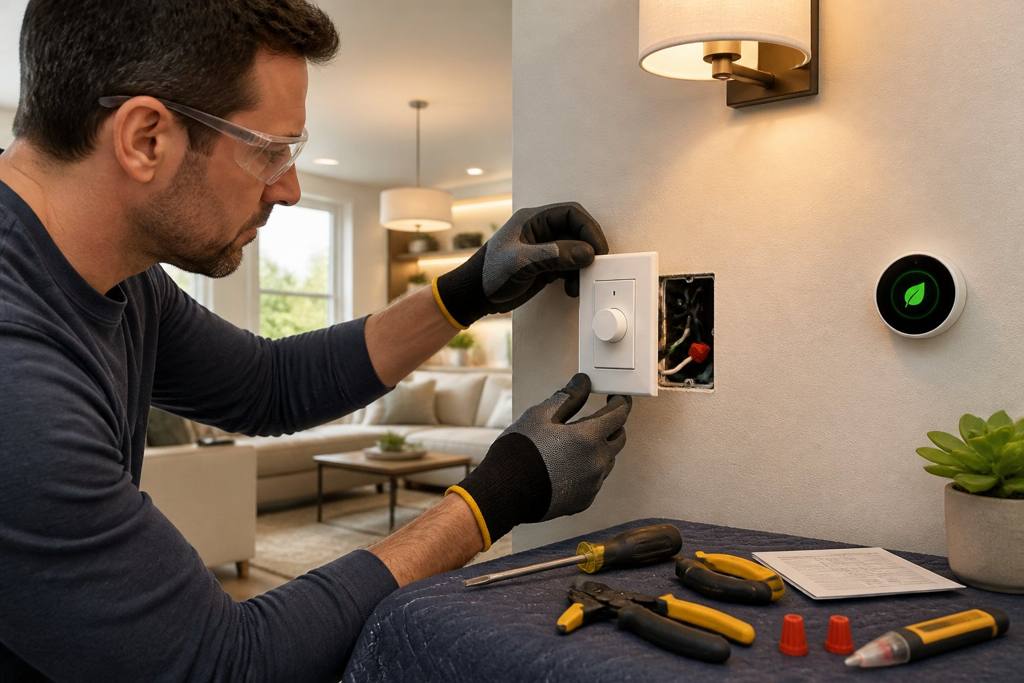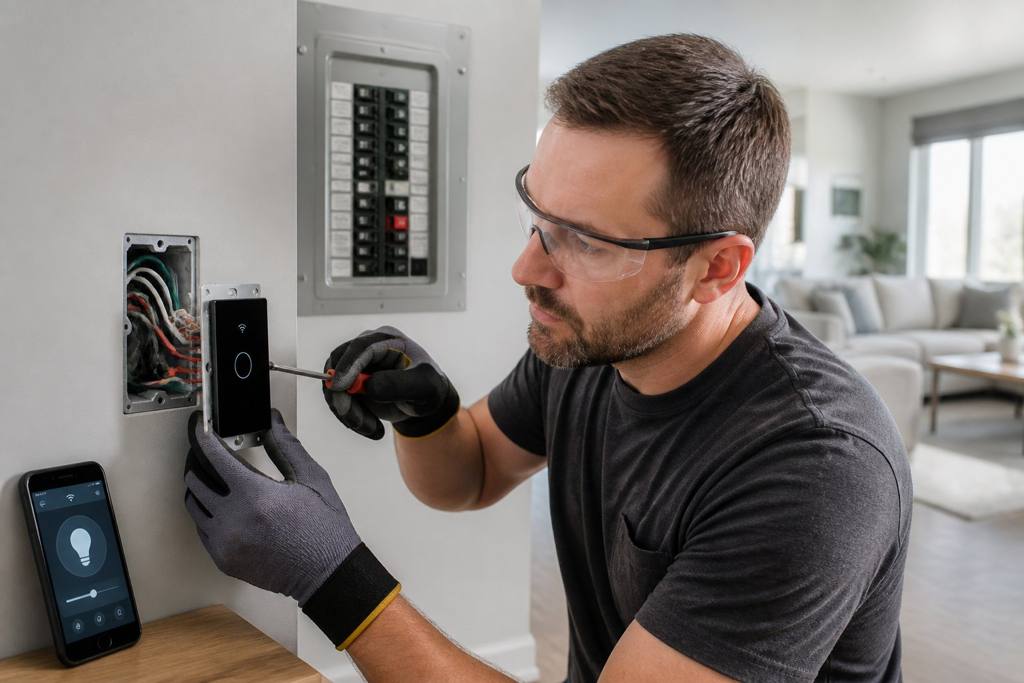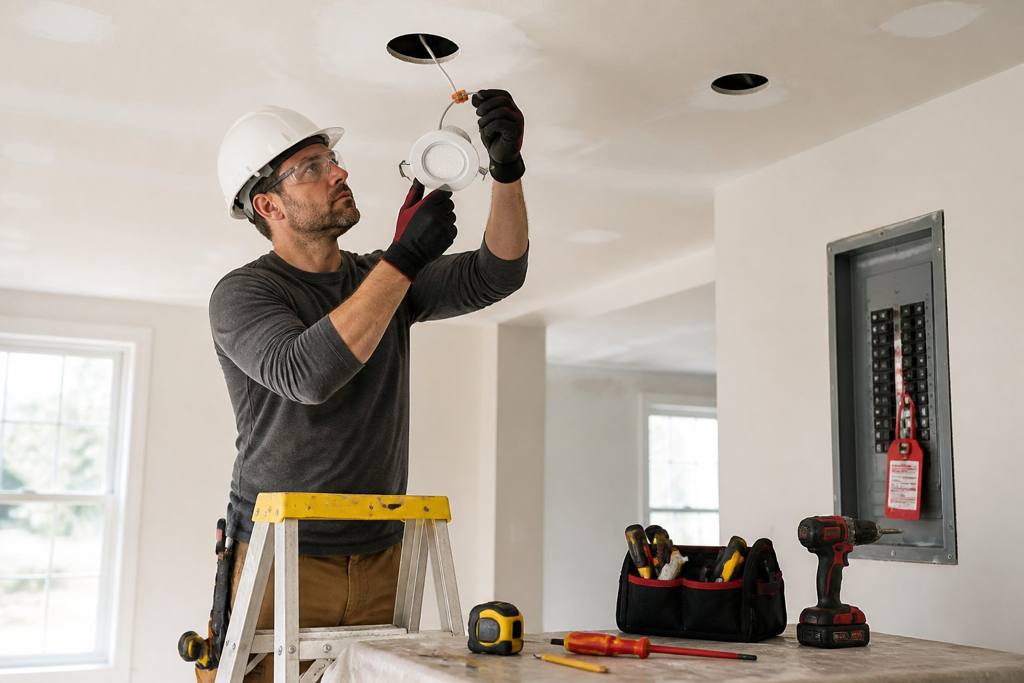
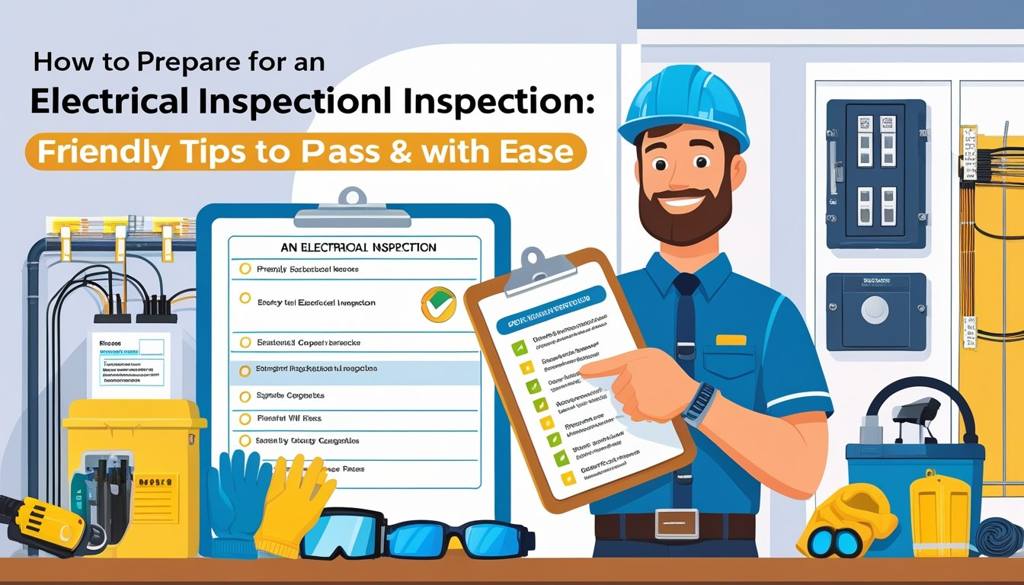
Preparing for an electrical inspection can feel like a lot, but honestly, it’s manageable if you know what to expect. Just make sure your electrical panel, outlets, and appliances are easy to reach and not blocked by anything. That way, the inspector can actually do their job and spot any issues before they become headaches.
If you have records of past electrical work, keep them handy. Inspectors want to see that your wiring and equipment follow safety codes—catching problems early can save you from expensive repairs (and a lot of stress) later.
At Magnify Electric, we’re here to walk you through every step. Need help prepping for inspection? Thinking about an upgrade? We handle both homes and businesses with care. Frankly, leaning on pros like us means you don’t have to sweat the details.
Understanding Electrical Inspections
Electrical inspections keep your wiring and devices safe and working right. If you know what the inspection covers, what kinds there are, and who’s coming, you’ll be way more prepared—and less likely to run into surprises.
Purpose of Electrical Inspections
The whole point is to check that your electrical system meets safety rules. Inspectors hunt for hazards like faulty wiring, overloaded circuits, or old equipment that could spark fires or just stop working. They’re also making sure everything actually does what it’s supposed to.
Regular inspections can catch problems early. If you fix small stuff now, you avoid bigger disasters and save money. Plus, a system that runs efficiently means fewer outages and headaches.
Types of Electrical Inspections
There are a few main types. Rough-in inspections happen after you install wiring but before you close up the walls—basically, a chance to catch mistakes early.
Final inspections come at the end, when everything’s in place and ready to go. The inspector checks that it’s safe and finished.
There are also inspections for upgrades (like new circuits), special equipment, or commercial spaces. Knowing which one you’re dealing with helps you get ready without missing anything.
Who Performs Electrical Inspections
A licensed professional needs to do the inspection. At Magnify Electric, our electricians know how to spot potential dangers and give solid advice on what to fix.
Inspectors follow strict rules to make sure your system is safe and up to code. They use specialized tools to test everything, so you don’t have to guess.
Our crew at Magnify Electric can handle anything from a simple outlet fix to big commercial projects. We like to think that makes us a pretty good pick when it’s time for an inspection.
Preparing Your Electrical System
Before inspection day, take time to check the main parts of your electrical setup. Look at your panel and breakers, make sure wiring and connections are safe, test outlets and switches, and check that grounding is solid.
Checking Electrical Panel and Breakers
Your electrical panel is the heart of your home’s power. Wipe away dust, and look for any signs of trouble—rust, corrosion, or burn marks near breakers. Every breaker should be clearly labeled and in decent shape.
Flip each breaker on and off to see if it moves smoothly. If one keeps tripping or feels hot, it’s time to repair or replace it. Don’t ignore loose wires inside the panel; those can spark or start fires.
Inspecting Wiring and Connections
Look at any wiring you can see. Cracked or fraying insulation? That’s a red flag. Make sure wires are tight and attached to outlets, switches, and fixtures—no loose or bare ends.
If you’ve done any DIY wiring, double-check your work. Bad connections won’t pass safety checks. If you spot old cloth insulation or aluminum wiring, it’s smart to have Magnify Electric take a look. Upgrading to modern wiring just makes life safer and easier.
Testing Outlets and Switches
Go around and test every outlet and switch. Plug in a lamp or use a multimeter. If you see cracks, burn marks, or smell something weird, don’t wait—get it fixed.
Test all GFCI outlets, especially in the kitchen and bathroom, by pressing the “test” button. Replace any that don’t work. Our electricians can handle this fast and make sure you’re up to code.
Verifying Proper Grounding
Grounding keeps you safe by sending stray electricity into the earth. Check that grounding wires are firmly attached to rods or pipes.
You can try a multimeter test, but honestly, it’s better to let a pro handle this. Bad or missing grounding is a big safety risk and will definitely trip you up at inspection. We at Magnify Electric are happy to sort out any grounding issues so you can relax.
Ensuring Code Compliance
Getting ready for inspection means following local rules and having your paperwork in order. If you know what usually trips people up, you can fix issues early and save yourself a headache.
Reviewing Local Electrical Codes
Local codes set the standards for wiring, outlets, and safety measures. They change sometimes, so check online or call your building department for the latest version.
Look at things like:
- Outlet spacing and type
- Circuit breaker rules
- Grounding and bonding
- Where you need GFCI and AFCI protection
If you stick to these, you’re more likely to pass. Ignore them, and you’ll probably be making repairs after the inspector leaves.
Documentation and Permits
Keep your paperwork together. You’ll want permits for any electrical work, as they show it was done by a pro and approved.
What to gather:
- Work permits
- Past inspection reports
- Receipts for materials and labor
- Wiring diagrams or plans
If you’re missing something, the inspector might delay things or make you get the right permits. Keep these handy to avoid any last-minute scrambling.
Common Electrical Code Violations
Some problems show up over and over during inspections. Watch for these common issues:
- Outlets spaced wrong
- Missing GFCI in wet areas
- Bad grounding or outdated wiring
- Circuits overloaded or wrong breaker sizes
If you fix these before the inspection, you’ll move things along a lot faster. Our team at Magnify Electric can spot these issues and help you get everything up to code.
Safety Measures Before Inspection
Before the inspector arrives, take a few steps to stay safe and keep things moving. Always handle power with care, wear protective gear, and clear out the work areas. It’s not just about passing—it’s about staying safe and avoiding accidents.
Turning Off Power Safely
Start by shutting off power to any area you’ll be checking or working on. Flip the right breakers before you touch anything.
Always double-check with a voltage tester. Don’t trust that the power’s off—test it. Live wires don’t care if you’re careful.
If you’re not sure which breaker controls what, call an electrician. Better safe than sorry.
Using Protective Equipment
Insulated gloves help prevent shocks when you’re dealing with wires. Safety goggles protect your eyes from sparks or flying bits.
Wear non-slip shoes if you’re working somewhere wet, and skip loose clothes that could snag on something.
The right gear keeps you focused and safe—no need for distractions when electricity’s involved.
Clearing Work Areas
Move anything blocking electrical panels, outlets, or fixtures. A clear, dry space makes it easier for both you and the inspector.
It also helps you spot issues like damaged wires or corrosion. If your work area’s tidy, the inspection goes faster and you’re more likely to catch problems early.
If you want help getting ready for an inspection, Magnify Electric’s licensed electricians are just a call away. We handle everything from quick checks to big upgrades, so you don’t have to stress.
Organizing Documentation
Having your documents ready makes the inspection smoother. It shows you’ve kept up with your system, and honestly, it can save everyone a lot of time and confusion.
Electrical Plans and Schematics
Electrical plans and schematics show your wiring layout. They let the inspector see if what’s in your walls matches the design.
If you don’t have updated plans, dig up old blueprints or notes from past work. Even a hand-drawn sketch helps. Highlight recent changes or upgrades so nothing gets missed.
Keep everything neat and labeled. It’ll speed things up and help you spot trouble before the inspector does.
Inspection Records
Inspection records show what’s been checked before and if you fixed any issues. Collect all reports and certifications for your place. If you’ve hired licensed electricians, keep their receipts and repair notes.
Sort these by date to make a timeline. It helps the inspector and shows you care about safety.
Manufacturer Manuals
Keep manuals for any electrical devices, panels, or fixtures you’ve installed. These explain how to use and maintain things safely—inspectors like to see them.
If you lost the paper copies, check the manufacturer’s website for digital versions.
Having these ready shows you know your system and helps clear up any questions during inspection.
If you need help pulling papers together, Magnify Electric’s electricians can help. Whether you’re working on a small home project or a big commercial job, we’ll guide you through and keep your system running safely.
Final Walkthrough Checklist
Before your inspection, walk through every room and test your smoke and carbon monoxide detectors. Look for any last-minute issues. Pay close attention to outlets, switches, and wiring—make sure everything’s safe and up to code. Sometimes it’s the little things that matter most.
Room-by-Room Inspection Tips
Walk through each room and keep an eye out for visible problems like damaged outlets or loose wiring. Check that every outlet has a cover plate and works like it should. Flip the switches—lights should turn on and off without flickering or making weird noises.
Open up the electrical panels and look for wear, overheating, or anything that just doesn’t seem right. Make sure wires are secured and you don’t see any exposed cables. Grounding matters too—outlets and fixtures need to be grounded for safety.
In kitchens and bathrooms, look for GFCI outlets near water. Test them to make sure they trip and reset as expected. If you spot anything odd, jot it down so you can handle it before inspection day.
Testing Smoke and Carbon Monoxide Detectors
Press the test button on each smoke and carbon monoxide detector until you hear a loud alarm. If the sound is faint or nothing happens, swap out the batteries or the whole unit.
Detectors should be in the right places—near bedrooms and on every floor. If they’re old or busted, replace them to keep up with current safety rules.
It’s such a simple thing, but keeping detectors in good shape really matters. Inspectors notice this stuff. Not sure how to set up or test your detectors? Magnify Electric’s licensed electricians can help out, no problem.
What to Expect During the Electrical Inspection
An electrical inspection takes a close look at your home or business wiring. The inspector checks for hazards and sees if everything lines up with the latest codes. Expect a pretty thorough review—tests, questions, the works.
The Inspector’s Process
The electrician will check your circuit breakers, outlets, and wiring connections. They’ll look for loose or damaged wires and make sure insulation isn’t worn down. Safety devices like GFCIs and surge protectors get tested too.
Inspectors also check if your system meets current code. They’ll point out anything outdated—old wiring, sketchy breakers, you name it. Sometimes they’ll use diagnostic tools to hunt for hidden issues.
If you need repairs or upgrades, the inspector will let you know what to do next. That way, you can keep your place safe and maybe even dodge bigger repair bills later on.
Questions You May Be Asked
The inspector might ask if you’ve had any recent electrical work or noticed problems like flickering lights or breakers that trip a lot. Be honest—describing the issues helps them track down the cause faster.
They’ll probably ask how often you use big appliances or if you’ve added new devices that pull a lot of power. This helps them gauge your system’s load and spot potential trouble.
Don’t be shy about asking questions yourself. At Magnify Electric, our licensed electricians are happy to walk you through what they find and what you might need to do. We’re here for reliable support on anything from quick fixes to major upgrades, residential or commercial.
After the Inspection
After the inspection, you’ll get a detailed report. It lists any issues and suggests how to fix them. Take some time to read it—knowing what needs attention is half the battle.
If the report recommends repairs or upgrades, tackle the safety stuff first. Handling these quickly helps you avoid hazards like shocks or even fires. Don’t put off scheduling work, especially if you rely on your electrical system for daily life or business.
Keep all your inspection paperwork somewhere safe. You might need it for insurance, future inspections, or if you ever sell the place. Staying organized makes life easier down the road.
Not sure what something in the report means? Contact your electrician. Our licensed team at Magnify Electric can break things down for you and help plan the next steps. We handle everything from simple repairs to bigger projects for homes and businesses.
Here are a few tips for after the inspection:
| Step | Reason |
|---|---|
| Review the report | Know what needs repair or upgrade |
| Prioritize safety | Prevent electrical hazards |
| Schedule repairs | Keep your system running efficiently |
| Keep documents safe | Useful for insurance and future checks |
| Ask questions | Make sure you understand the work ahead |
Magnify Electric is here for all your electrical needs. Our experts focus on safety and code compliance, so you can relax a bit.
Frequently Asked Questions
Getting ready for an electrical inspection doesn’t have to be stressful. If you know the common checks, when to schedule, and how to find a solid electrician, you’ll be in good shape.
What steps should I take to ensure my home passes an electrical inspection?
Fix any visible damage to outlets, switches, and wiring. Make sure all your electrical work follows safety codes. Keep the electrical panel easy to reach and repair any faulty wiring or devices. Test GFCIs and smoke detectors to make sure they’re working.
Could you list the common items checked during an electrical inspection?
Inspectors look at wiring condition, circuit breakers, and electrical panels. They’ll test outlets, switches, lighting, and grounding. GFCIs and AFCIs get checked too. Proper labeling and code compliance matter.
At what point in my renovation should I schedule an electrical inspection?
Book an inspection after rough wiring is done but before closing up the walls. Usually there’s another check after all wiring and fixtures are installed. This way, you can catch issues early and make sure everything meets code before wrapping up.
How can I find a reputable electrician to conduct an inspection near me?
Look for licensed electricians with strong local reviews. Companies like Magnify Electric offer both residential and commercial service. Our licensed team can handle inspections, repairs, and upgrades, making the process less of a headache.
What do electricians typically look for during a final electrical walkthrough?
They check all installed wiring, outlets, switches, and fixtures to make sure everything works. Inspectors confirm safety devices like GFCIs do their job. They also verify your system meets local codes and is safe to use.
Approximately how much time should I allocate for a complete electrical inspection?
A full home inspection usually runs about 1 to 2 hours, though honestly, it depends on your home's size and how complicated the wiring is. Got a bigger place or maybe a commercial building? You might want to set aside even more time. It's worth planning ahead—nothing worse than rushing through and missing something important.