When you bring new appliances into your home or business, safe wiring isn’t just a good idea—it’s absolutely necessary to prevent headaches like overloaded circuits or electric shocks. The trick is to make sure your electrical system can handle the extra load without pushing your circuit breaker past 80% of its rated capacity. That’s one of the best ways to avoid tripped breakers and keep fire risks low.
Stick to what the manufacturer recommends for each appliance, and try to spread the load across different circuits when you can. Give your wiring a look every now and then for any signs of damage or wear—catching stuff early is way easier than fixing a major problem. If you’re not sure, Magnify Electric has licensed electricians who can walk you through safe installation and upgrades, making sure everything’s up to code.
With Magnify Electric, you get pros who know their stuff—whether you’re adding outlets, sorting out old wiring, or putting in new fixtures. Our team handles both homes and businesses, always aiming to keep your spaces safe and running smoothly.
Understanding Electrical Requirements
Getting your new appliance wired safely starts with knowing exactly how much power it needs and how that fits into your home’s electrical setup. This means checking the appliance’s power rating, seeing what your system can handle, and picking the right circuit so you don’t overload anything.
Identifying Appliance Power Ratings
Every appliance comes with a power rating—usually in watts or amps—stuck on a label or tucked in the manual. That number tells you how much juice it needs to run.
Find the wattage or amperage, and if you only see watts, just divide by your home voltage (120V in the US) to get amps.
Amps = Watts ÷ Voltage
This quick check helps you avoid the classic mistake of plugging too many big appliances into one circuit and ending up with tripped breakers or hot wires.
Assessing Home Electrical Capacity
Your electrical panel has a limit—its amperage rating tells you the max current it can carry. Most homes have panels rated for 100, 150, or 200 amps.
Check what your panel can handle before adding new appliances, and don’t forget about your current loads—lights, heaters, all that stuff.
Stay under 80% of your circuit’s rating for safety. For a 15-amp circuit, keep it under 12 amps for anything running long-term.
Choosing the Right Circuit
You want to match the appliance’s needs to a circuit that can handle it.
For high-power appliances, go with heavier gauge wires—12-gauge for 20-amp circuits, for example. That keeps wires from overheating.
It’s usually smart to put big appliances on their own dedicated circuit, so they’re not sharing with other stuff. That way, you’re less likely to run into overloads or breaker trips.
Not sure where to start? Magnify Electric’s licensed electricians can lay out a safe plan and handle the install, from new outlets to full rewiring.
Selecting Suitable Wiring Materials
Picking the right wiring materials is a big deal for safe, reliable appliance use. You’re looking at wire size, insulation, and connectors—these choices make the difference between a system that lasts and one that causes trouble.
Wire Gauge Recommendations
The wire gauge needs to match your appliance’s needs. For most homes, 14-gauge wire works for 15-amp circuits, and 12-gauge for 20-amp. If you’re stuck with aluminum wire, go up to 10-gauge—it handles current differently.
Don’t cheap out and use thinner wire than you need. That’s just asking for trouble with heat.
If you want help figuring out the right size, Magnify Electric’s electricians can match your wire gauge to your breaker and appliance for both safety and efficiency.
Types of Insulation
Insulation keeps wires from shorting out or getting damaged. Look for wires labeled for home use with solid insulation, like PVC or thermoplastic—they’ll stand up to moisture, heat, and a bit of rough handling.
Running wires in walls or attics? Use insulation rated for those spots. If you spot cracked or frayed insulation, swap it out right away to avoid shocks or fire risks.
Selecting Connectors and Outlets
The right connectors and outlets make sure your connections stay solid and safe. Pick connectors that fit your wire gauge and are rated for home or commercial use. Use staples or clamps to hold wires in place, but don’t crush them.
Choose outlets with the right amp rating for your appliance—20-amp outlets for bigger devices, for example. Proper grounding and secure mounting in boxes keep things safe and reliable.
Not sure which connectors or outlets to get? Ask Magnify Electric—we’ll point you in the right direction and keep you up to code.
Proper Installation Techniques
Wiring in a new appliance safely means paying attention to how you run wires, make connections, and label circuits. These steps help you dodge electrical problems and make repairs easier down the road.
Safe Routing of Wires
Keep wires tidy and away from sharp edges or places where people walk a lot. Don’t bundle too many wires together, or you’ll risk overheating. Use clips or straps to secure them along walls or inside boxes.
Don’t pull wires too tight—leave a little slack so they don’t snap or get damaged if something shifts. Stick to local codes about how far wires need to stay from water pipes and heat sources.
For big appliances, don’t pile them onto the same circuit. Each wire should handle its load without tripping breakers or creating fire risks.
Securing Connections
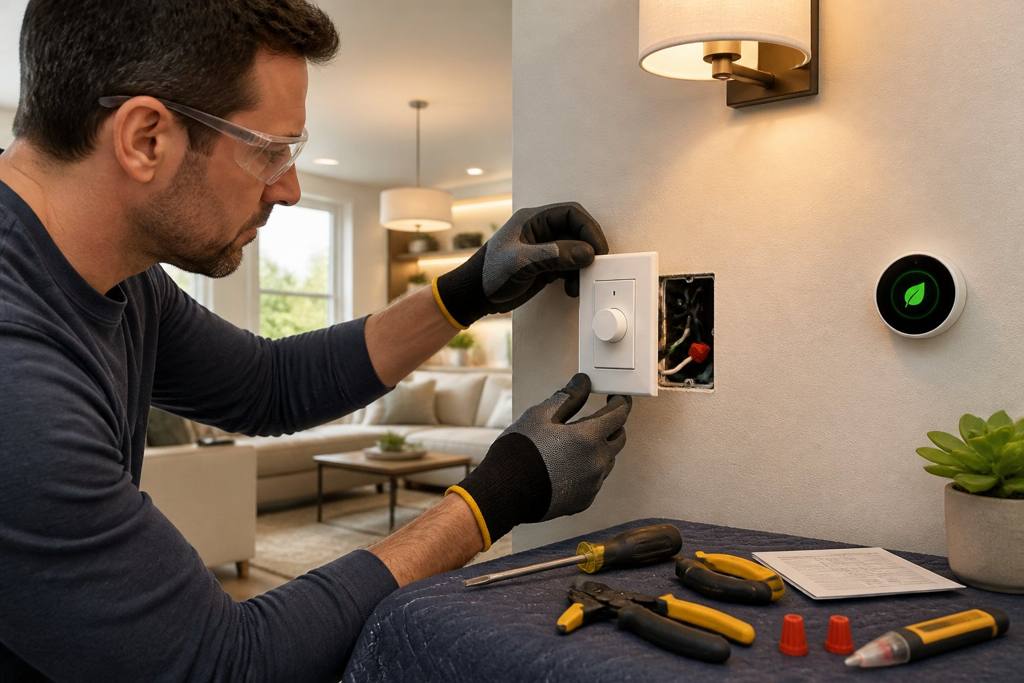
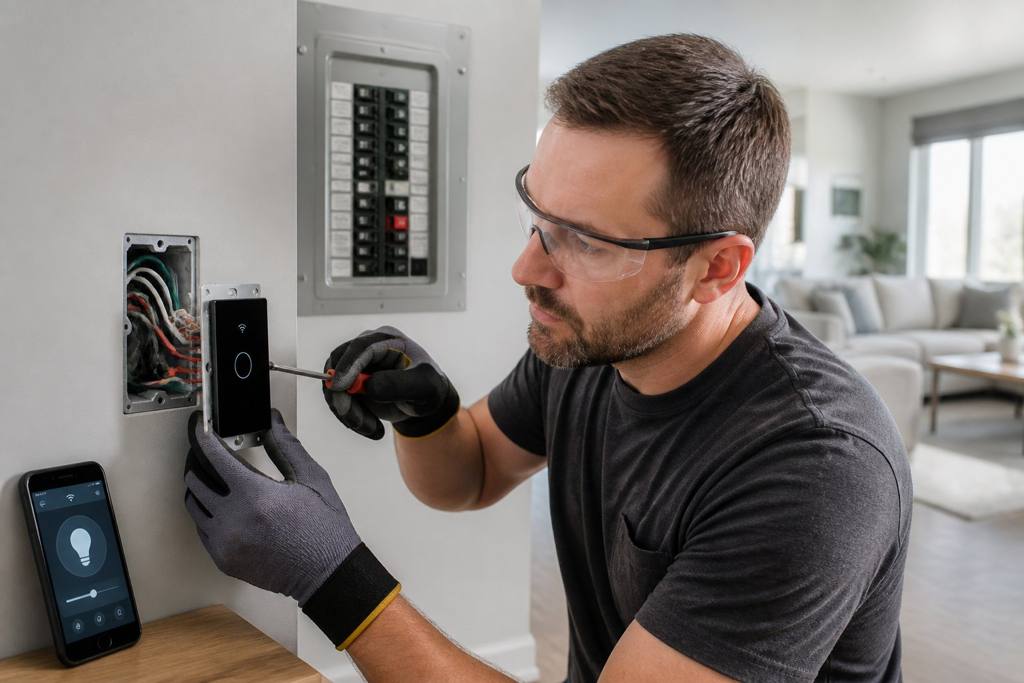
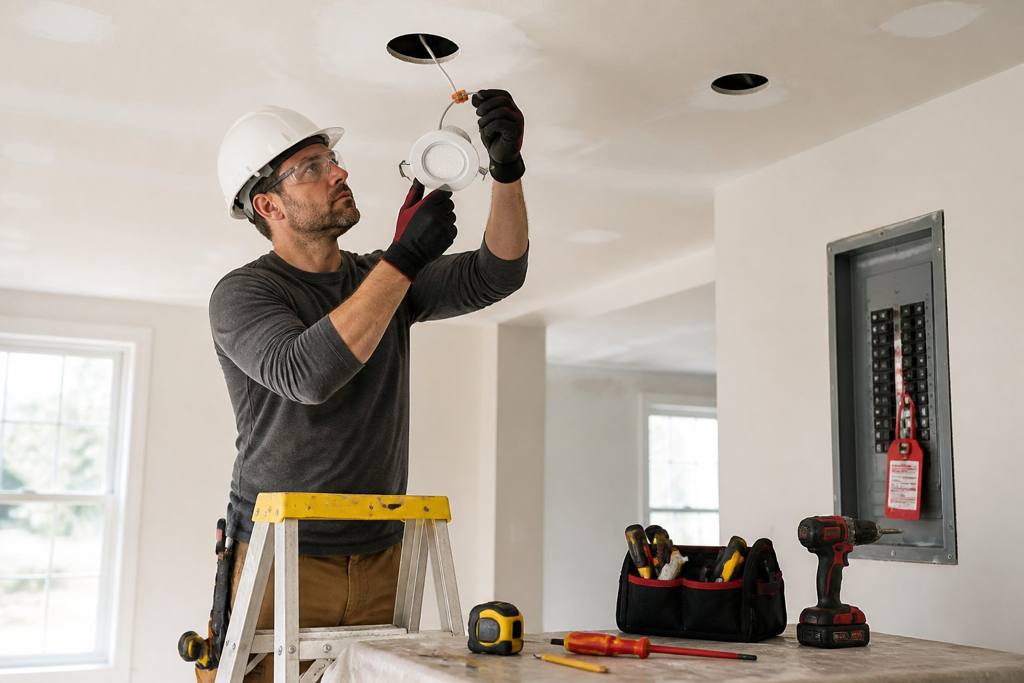
Turn off the breaker before you touch any wires—seriously, don’t skip this. Use the right connectors for your wires, like twist-on nuts or crimp connectors, and make sure they’re rated for your voltage and current.
Strip just enough insulation—about an inch—to make a solid connection. Twist wires together tight before capping them, or use a good crimp connector.
Ground wires need to be connected well to keep you safe from shocks. Loose connections can cause flickering lights or random breaker trips, so double-check everything before you finish up.
Labeling Circuits
Label your circuits clearly so you know what’s what. Stick durable labels on the breaker panel and in junction boxes.
Write simple notes like “Kitchen outlet” or “Laundry room” next to breakers. If you add new circuits, update the labels right away.
It saves time and keeps you safe when you need to shut off power for repairs. Plus, it helps the next electrician who works on your system.
Magnify Electric’s team can help with neat wiring and clear labeling to keep your place safe and organized. We’re happy to tackle any electrical job, big or small.
Implementing Safety Devices
To keep new appliances safe and running well, you need the right safety devices. These tools stop electrical problems before they get serious. Knowing what each one does (and why it matters) is a big step in protecting your home or business.
Circuit Breakers and Fuses
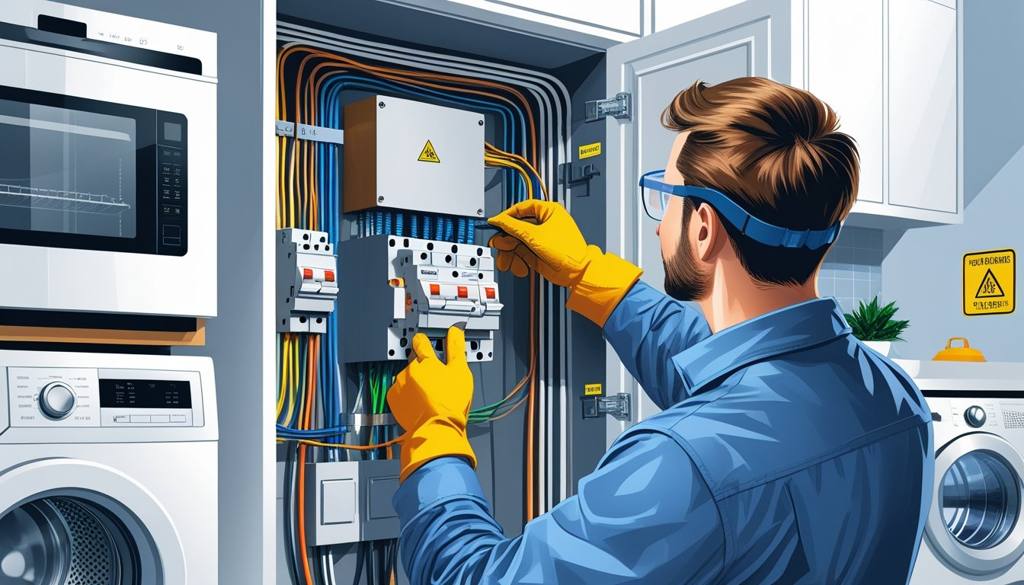
Circuit breakers and fuses are your first line of defense—they stop too much electricity from flowing if things go wrong. If you overload a circuit or there’s a short, these devices cut the power and prevent overheating or fires.
Breakers are resettable switches—they trip when the current’s too high. Fuses blow once and then you have to replace them. Most homes use breakers now because they’re easier to reset.
Make sure your breakers or fuses match the load of your new appliances. If they’re too weak, they’ll trip all the time. Too strong, and they might not protect your wiring.
Ground Fault Circuit Interrupters
Ground Fault Circuit Interrupters (GFCIs) are a must where water and electricity mix—think kitchens, bathrooms, or outdoor outlets. GFCIs cut the power fast if they sense even a small leak of electricity.
These devices watch the current and can shut things down in a split second if something’s off. That quick action can stop serious shocks.
Install GFCIs near any appliance that could get wet. Magnify Electric’s electricians can make sure they’re set up right and follow all the codes.
Surge Protection
Surge protectors defend your appliances from sudden voltage spikes—from lightning, outages, or just bad wiring. Without them, surges can fry sensitive electronics in no time.
Surge protectors work by sending extra electricity to the ground wire. You can add whole-home surge protectors at your panel, or use plug-in models for extra protection.
For new appliances, surge protection helps them last longer and saves you from expensive repairs. If you’re not sure what you need, Magnify Electric can help you pick and install the right gear.
Complying With Electrical Codes
When you add new appliances, you need to follow the rules to keep everything safe and legal. Meeting standards, getting permits, and passing inspections are all part of the process—even if it feels like a hassle sometimes.
National Electrical Standards
The National Electrical Code (NEC) is the main set of rules for electrical work in homes and businesses. It covers wire size, breakers, grounding, outlet placement, and more. Using the right wire gauge and breaker for your appliances keeps wires from overheating and reduces fire risk.
Stick to NEC guidelines—use proper grounding wires, install junction boxes right, and don’t overload circuits. Following these standards keeps your place safe and your appliances running smoothly.
Obtaining Permits
Before you start wiring for new appliances, check with your local building department about permits. You’ll usually need one for major changes or new circuits. Permits make sure your work meets safety codes and let inspectors check things over.
Getting a permit might mean submitting plans and paying a fee. Don’t skip this step—doing electrical work without a permit can lead to fines or delays. If you hire licensed electricians like Magnify Electric, we’ll handle the permits for you and make sure everything’s done by the book.
Inspection Procedures
After you finish wiring and installing appliances, an inspector checks the work. They look for code compliance and safety. The inspection covers connections, panels, grounding, and the overall setup.
Get ready by making sure wiring is secure, boxes are closed, and nothing’s exposed. If the inspector finds something unsafe, you’ll need to fix it. Passing inspection is key to avoiding safety risks and making sure your appliances work without issues. Magnify Electric’s electricians know how to prep your place for this final step.
Testing and Verifying Safe Operation
Before you call it done, you’ve got to test everything and make sure your new appliances are wired safely. This means checking connections, confirming the system can handle the load, and fixing anything that pops up during testing. It’s a step you don’t want to skip if you care about safety.
Continuity and Resistance Checks
Grab a multimeter and check continuity first. This tells you if your wires connect properly, with no breaks. Set the meter to continuity mode, touch both ends of the wire or connection, and listen for a beep or look for a low reading—that means you’re good.
Then, measure resistance to spot bad connections or damaged wires. Low resistance is good; high resistance means there’s a problem. Test all hot, neutral, and ground wires to be sure nothing’s out of whack.
Always do these tests with the power off—seriously, don’t take chances. Checking these details now keeps your appliances safe and helps you avoid electrical shorts later.
Load Testing
Load testing checks how well an appliance and its wiring handle real power. Grab a multimeter or similar device, set it to measure voltage and current, and let the appliance run. This way, you’ll see if your circuit can actually deliver enough power without things starting to overheat.
While you’re load testing, keep an eye out for voltage drops or any signs of overheating on the wires and breakers. If you spot these, your circuit might be too weak or already overloaded. Always use circuit breakers rated for the right amperage—no shortcuts here.
If you notice issues, try moving some devices to other circuits or think about upgrading the wiring so it can handle what you’re plugging in.
Troubleshooting Issues
If something’s not working right, the first step is to isolate the problem. Check for loose connections or incorrect wiring—black and red are hot, white is neutral, and green or bare is ground, just as a refresher.
Take a look at switches, outlets, and breakers for any damage. If something looks worn out or sketchy, swap it out. It helps to go step by step, testing one part at a time to zero in on the culprit.
Not sure what’s wrong, or things look complicated? Magnify Electric’s licensed electricians are here for that. We handle residential and commercial wiring issues, always focusing on safety and code compliance so your appliances run how they should.
Maintaining Safe Wiring Over Time
Keeping your wiring safe isn’t a one-and-done thing. It’s about regular checks, knowing what to look for, and calling in pros when it gets tricky. Staying on top of this stuff protects your home and keeps your appliances humming along.
Routine Inspection Tips
Give your wiring a once-over every so often. Check outlets, switches, and any visible wires for cracks, fraying, or weird discoloration. Outlets shouldn’t wiggle, and plugs ought to fit snug.
Don’t overload a single outlet with a bunch of high-power devices. That’s asking for tripped breakers or worse.
Definitely test safety outlets like GFCIs, especially in kitchens and bathrooms. They cut the power if there’s a shock risk. And if you ever see sparks or catch a burning smell, shut off the power and get it checked out—don’t wait.
Recognizing Warning Signs
Some signs just shouldn’t be ignored. Wiring problems often show up as flickering or dimming lights, breakers that trip a lot, or outlets that buzz.
Warm or discolored outlets, burning smells, or getting a shock from touching an appliance? All red flags. That usually means the wiring is damaged or overloaded.
Letting these issues slide can lead to bigger problems—nobody wants an electrical fire. It’s worth catching them early.
When to Seek Professional Help
If you spot damaged wires, suspect an overload, or notice any warning signs, it’s time to call a professional. Don’t try to fix things if you’re not sure—electricity isn’t something to mess with.
Our team at Magnify Electric is licensed and ready to tackle your electrical problems safely. Whether it’s rewiring or adding outlets, we’ve got the experience for both homes and businesses.
Bringing in trained electricians means repairs get done right and up to code. That’s how you avoid future headaches and keep your wiring safe.
Energy-Efficient Wiring Practices
Adding new appliances? Using energy-efficient wiring just makes sense. The right wire size helps your system handle the load without wasting energy or heating up too much.
Go with wiring that meets or beats local building codes. That’ll help prevent voltage drops, which force your appliances to work harder and burn more power.
Consider LED lighting and energy-saving fixtures—they use less energy and last longer than the old-school bulbs.
Spread appliances across different breakers to keep the load balanced. That way, you avoid overloading and keep things running smooth.
Think about upgrading old wiring and adding surge protection too. These updates protect your gear from power spikes and boost energy efficiency.
At Magnify Electric, our licensed electricians can help you pick and install energy-efficient wiring, whether it’s for your home or business. We handle everything from swapping out lights to big wiring projects, and we actually care about getting it right.
Let us help you improve safety and efficiency, and maybe even save a few bucks on your energy bill.
Frequently Asked Questions
Keeping your new appliances safe takes a bit of know-how—proper installation, checking your wiring, and following safety basics. Be careful with plugging and unplugging, and don’t skip regular inspections.
What steps should I follow to ensure the safe installation of new electrical appliances?
Start by shutting off power at the breaker. Use wiring and outlets that match your appliance’s power needs. Stick to the manufacturer’s instructions—don’t just wing it.
If you’re unsure, give us at Magnify Electric a call. We’ll make sure your installation’s safe and up to code.
How can I verify that the electrical wiring in my home is secure for operating new devices?
Watch for flickering lights, buzzing, or warm outlets. Double-check that your wiring is grounded and meets code. If you see worn wires or broken outlets, schedule an inspection.
Magnify Electric offers detailed wiring inspections to make sure things are safe before you add new appliances.
Which safety certifications should I look for when purchasing electrical appliances?
Look for UL or ETL marks. These mean the product’s been tested for safety. Skip appliances that don’t have these labels—it’s not worth the risk.
What are some essential electrical safety rules to remember when using new appliances at home?
Don’t overload outlets or power strips. Keep appliances away from water, and always dry your hands before using them. Turn things off when you’re done, and don’t use damaged cords.
How often should electrical wiring be inspected to maintain safety with new appliances?
Plan on an inspection every 3 to 5 years, or sooner if something seems off. Regular checks help catch problems before they get serious.
What are the key precautions to take when unplugging appliances to prevent electrical hazards?
Honestly, it sounds obvious, but grab the plug itself—never the cord—when you’re unplugging something. If your hands are wet, take a second and dry them off first (nobody wants a shock). And hey, double-check that the appliance is actually turned off before you pull it out. Tugging on the cord just ruins it over time, so skip that habit if you can.