
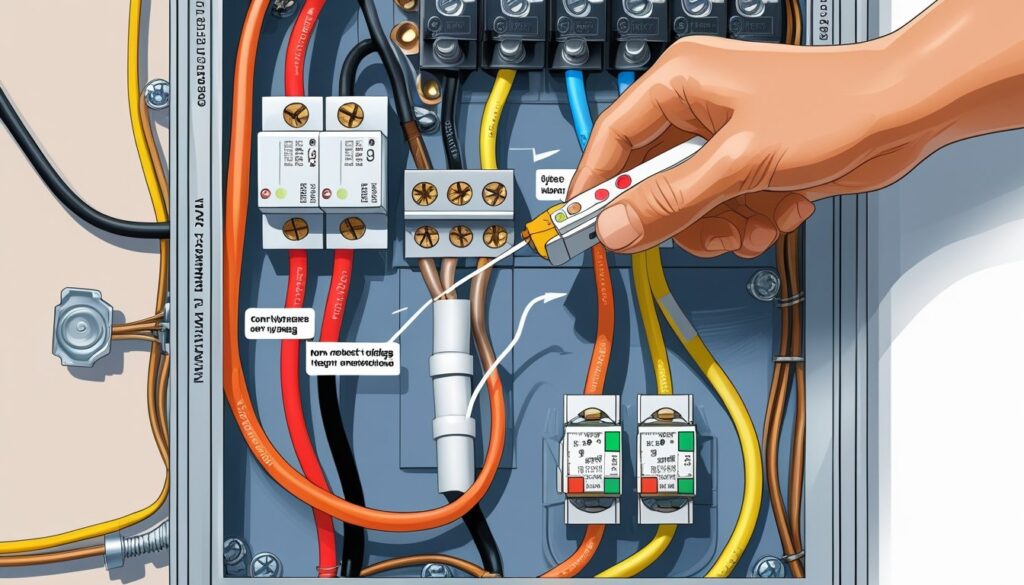
Loose wiring inside your walls is a hidden danger that can lead to flickering lights, tripped breakers, or even electrical fires. To spot loose wiring, watch for flickering lights, odd sounds, sparks, and use tools like a stud finder with wire detection or a multimeter to safely check connections behind walls. Knowing what to look for helps you catch issues before they turn into headaches.
At Magnify Electric, our licensed electricians know how to spot these problems quickly and safely. We tackle everything from lighting upgrades to full electrical inspections for homes and businesses. If you notice any signs of faulty wiring, don’t wait—getting professional help can prevent much bigger problems.
Recognizing Warning Signs of Loose Wiring
Loose wiring inside your walls can cause problems you’ll probably notice before things get out of hand. Watch how your lights act, sniff around outlets for odd smells, and pay attention to how often your circuit breaker trips. These clues can tip you off to trouble early.
Flickering or Dimming Lights
Lights that blink or dim on their own might mean wires aren’t snug. Loose wiring makes electricity flow unevenly, so your lights flicker—sometimes when you turn on big appliances, sometimes for no clear reason.
Keep an eye out for frequent flickering. If it happens in more than one room or keeps going for more than a few seconds, it’s a strong sign of loose wiring. Don’t use the affected outlets or switches until an electrician checks them out.
Unusual Electrical Odors
A burning or smoky smell near an outlet or switch is a big red flag. Loose wiring can cause heat to build up, and you’ll sometimes smell burning plastic or hot wires. If you catch a whiff of this, turn off power to the area right away.
Strange smells are never good news—they can mean wires are overheating or sparking where you can’t see. This can lead to electrical fires if you ignore it. If you notice any burning smells, call Magnify Electric. Our electricians will track it down and fix it safely.
Frequent Circuit Breaker Trips
Your circuit breaker’s there to shut off power when something’s wrong, stopping damage or fires. If it keeps tripping—especially with normal appliances—loose wiring could be why. Bad connections can create shorts or overloads.
Keep a note of when the breaker trips and what you were using. This info helps electricians figure out if loose wiring is behind the trouble. Breakers that trip a lot aren’t just annoying—they’re dangerous if ignored. Magnify Electric can get this sorted out quickly and safely.
Visual Clues and Inspections
Spotting loose wiring starts with a good look around. Check outlets and switches for anything burnt, discolored, or just off. These details can tip you off before things go seriously wrong.
Discolored Outlets and Switches
If your outlets or switches have dark spots, yellowing, or any weird colors, take it as a warning. Discoloration usually means heat’s built up from loose connections. Over time, this can damage the inside of the outlet.
Look closely at every outlet and switch. If something looks odd, don’t brush it off. This could be an early sign you need a pro to check your wiring. Fixing these problems early can save you a lot of grief.
Burn Marks or Scorching
Burn marks around outlets, switches, or wall plates are serious clues. Loose wiring can spark or overheat, leaving black or brown marks—and sometimes you’ll smell burning plastic.
Check the wall and outlet for any scorch marks. Don’t try to fix this yourself; it’s risky. Call a licensed electrician like Magnify Electric. We have the right tools to find and solve the problem safely.
Loose or Warm Wall Plates
Wall plates that wiggle or feel warm are another warning sign. Loose wiring makes bad connections, which generate heat and can cause flickering lights or outlets that barely work.
Give your wall plates a gentle nudge. If they move too easily or feel hot, it’s time for an inspection. Warm or loose wall plates need a pro’s touch. At Magnify Electric, our electricians know how to tighten and repair these issues for homes and businesses.
Auditory and Sensory Indicators
Sometimes you’ll hear or feel things before you see them. Loose wiring can cause odd sounds or vibrations near your walls or electrical fixtures. These signs can help you spot problems early before they get worse.
Buzzing or Crackling Sounds
Buzzing or crackling from outlets, switches, or inside walls usually means loose wiring. These sounds happen when electricity jumps gaps in weak connections.
Buzzing is a steady hum; crackling feels more like random pops or snaps. Both can come from loose screws, wires that aren’t tight, or damaged insulation.
Don’t ignore these noises—they can lead to shorts or fires. If you hear buzzing or crackling, turn off the power to that area and call a professional. Magnify Electric’s electricians are great at finding and fixing these issues so your place stays safe.
Vibrations from Electrical Fixtures
Loose wiring sometimes makes lights, switches, or outlets vibrate or shake a bit. Touch a fixture and feel a slight buzz? That’s a sign.
This happens because electricity is flowing weirdly through loose contacts, causing tiny movements. Flickering lights often come with this.
If you notice vibrations, connections aren’t stable. This can burn out your fixtures or even start a fire. Don’t try tightening things unless you know what you’re doing. Contact Magnify Electric—our team handles all wiring concerns with care for homes and businesses.
| What to Do If You Notice Signs: |
|---|
| Turn off power to the affected area. |
| Avoid using the fixture or outlet. |
| Call licensed electricians like us. |
| Schedule an inspection and repair. |
Using Tools to Detect Loose Wiring
To track down loose wiring inside your walls, you’ll need the right tools. These let you safely check if wires are carrying power or if connections are broken. Knowing how to use them can save you time—and maybe a headache or two.
Non-Contact Voltage Testers
A non-contact voltage tester is a handy gadget for spotting live wires without touching them. Just hold it near a wall or outlet; it’ll beep or light up if it senses voltage. That tells you if wiring is active or if there’s power where there shouldn’t be.
This tool is great for finding loose wires that cause flickering or shocks. Loose wires might still carry electricity, just not reliably. It’s easy to use and safe since you don’t have to touch anything. Always check the tester on a known power source first.
If you find a live wire where you shouldn’t, it usually means a loose or broken connection that needs repair. Not sure what to do? Magnify Electric’s electricians can handle repairs and make your home safe again.
Multimeter Checks
A multimeter gives you detailed info about electrical currents and connections. You can test continuity, voltage, and resistance in wires. For loose wiring, the continuity test is key—it tells you if the circuit’s complete or if something’s broken.
To use a multimeter, set it to continuity and touch the probes to wire ends or outlets. Hear a beep or see a low reading? The wire’s connected. No beep or a high reading? Something’s loose or broken.
Multimeters also spot voltage drops from loose wires. By checking outlets or switches on different circuits, you can find the troublemakers causing flickering or power loss.
If it feels too complicated or you’re not comfortable, let Magnify Electric take over. Our experts have the tools and know-how to find and fix loose wiring in homes and businesses.
Testing Outlets and Switches
You can track down loose wiring by testing outlets and switches with a bit of care. Knowing how to check each part helps you spot loose connections or damaged wiring that could cause bigger headaches.
Checking Outlet Tightness
First, turn off power to the outlet at your breaker. Remove the cover with a screwdriver and gently pull out the outlet. Check each wire—if it feels loose or moves easily, it needs tightening.
Use a screwdriver to snug up any loose screws holding wires. Look for signs like discoloration or burn marks—those mean heat damage. After fixing, test the outlet with a tester or multimeter to make sure it works.
If you’re not sure what you’re doing, or if you spot damaged parts, call Magnify Electric. Our electricians work in homes and businesses and can fix problems safely.
Inspecting Switch Connections
Switch off power at the breaker, then remove the switch cover. Carefully pull the switch from the box and check the wires attached to the screws. Make sure wires are wrapped neatly and screws are tight.
If any wires look loose, tighten them gently. Watch for frayed or broken ends—a loose wire can cause flickering or switches that don’t work right.
After tightening, restore power and test the switch. If you still have trouble or see damage, call Magnify Electric. We’ve got the tools and experience to fix switch wiring safely.
Safety Precautions When Inspecting Wiring
Inspecting wiring inside your walls takes care and patience. The right safety steps keep you safe while you look for loose connections. Pay attention to power control and protective gear.
Shutting Off Power
Always turn off the power to the area before you start. Find the right breaker and switch it off. Label it so nobody turns it back on by accident.
Double-check the power’s off with a non-contact voltage tester. Never just assume—you want to be sure. Test all nearby outlets and switches to be safe. If you’re not comfortable, call Magnify Electric. Our electricians will handle it safely and right.
Using Personal Protective Equipment
Wear electrical gloves rated for your home’s voltage to guard against shocks. Insulated tools help you avoid accidental contact with live parts.
Safety glasses protect your eyes from debris or sparks. If you’re drilling or cutting, they keep dust out too.
Take off loose or metal jewelry before working on wiring—it can cause shorts or get caught.
Magnify Electric cares about your safety and can help with the right gear. Our team uses proper equipment for every job, whether it’s a basic repair or a tricky wiring upgrade. That keeps you safe and makes sure the work’s done right.
When to Call a Professional Electrician
If you’ve got flickering lights or outlets that feel oddly warm, that’s not something to shrug off. These are classic hints of loose wiring somewhere behind your walls. And if your circuit breakers keep tripping or you catch a whiff of something burning near an outlet? Yeah, that’s a big red flag—time to call in the pros.
Honestly, messing with wiring yourself isn’t just tricky—it’s risky. Loose wires can shock you or spark a fire if you don’t know exactly what you’re doing. It’s just not worth it. A licensed electrician will track down the problem and fix it safely.
At Magnify Electric, our team of licensed electricians handles any electrical problem you throw our way, whether it’s a minor fix or something much bigger. Need new outlets? Or maybe a full check of your entire wiring setup? We’ve got your back for both residential and commercial work.
Some clear signs you shouldn’t ignore:
- Circuit breakers that trip all the time
- Outlets making weird sparking or buzzing noises
- Discolored or warm outlets and switches
- Lights that flicker or suddenly dim
- Burning smells near anything electrical
When you call Magnify Electric, you get folks who actually care about safety and quality. We’ll check out your system and handle repairs with attention, so your home or business stays safe and humming along.
Preventing Loose Wiring Issues
Want to avoid loose wiring headaches? A little prevention goes a long way. Try setting up regular electrical inspections—they’ll help spot trouble early, before things get out of hand.
Don’t overload your circuits. Plugging too many gadgets into one outlet can make wires heat up or loosen over time. Spread your devices around, and don’t push your luck with power strips.
If you see lights flicker or breakers trip, don’t just hope it’ll stop. Those are warning signs. Wiring issues tend to get worse, not better.
For repairs or upgrades, just call Magnify Electric. Our licensed team handles everything from simple fixes to adding new outlets or fixtures. We work on both homes and businesses, and we take pride in getting things right.
Keeping wiring snug and secure is crucial. Wires can loosen in outlets or fixtures over time, especially if they weren’t installed perfectly in the first place. Make sure your electrician checks all those connections during any service.
Here’s a quick list to help prevent loose wiring:
- Book an electrical check-up every year or two
- Don’t overload outlets or power strips
- Replace old or damaged wiring as soon as you spot it
- Use pros like Magnify Electric for any upgrades
- Stay alert for flickering lights or hot outlets
Solid wiring means a safer home. If something feels off, reach out for help so you can relax knowing your electrical system is in good shape.
Frequently Asked Questions
Loose wiring in your walls can cause all sorts of headaches—flickering lights, breakers tripping, you name it. Knowing what to watch for and which tools to use can help you catch trouble before it gets serious.
What are the signs that indicate you may have a loose wire connection?
You might see lights flicker or dim, breakers that trip way too often, or outlets that just don’t work right. Sometimes there’s even a faint burning smell near outlets or switches. Not exactly reassuring, right?
How can you detect a broken wire in your wall?
Look out for flickering devices or dead outlets along the same circuit. A non-contact voltage tester lets you safely check if wires are live—no need to touch anything. Unusual sounds or smells from the walls can also be clues.
Can you use a multimeter to find out if there’s loose wiring?
Yep, a multimeter is pretty handy for this. It checks for continuity and voltage, so you can tell if a wire’s broken or not connecting. Just make sure you know the basics of electrical testing, or you might end up with more problems than you started with.
What is the best tool to locate a broken wire inside a wall?
Usually, a circuit breaker finder paired with a stud finder (one that can spot wires) does the trick. These tools help you trace wiring paths and find faults without tearing open your walls.
What’s the estimated cost for an electrician to inspect residential wiring?
Inspections usually run between $100 and $300, depending on your home’s size and how complicated the wiring is. Magnify Electric offers precise inspections and full support from licensed electricians for homes and businesses alike.
Are there any DIY methods to safely find loose wires in your home?
You could try shutting off the main power and then poking around—check outlets and breakers one at a time to spot anything odd, like a reset or a flicker. A non-contact voltage tester is pretty handy too; it lets you check for live wires without risking a shock. Still, if you want to be sure (and honestly, who doesn’t when it comes to electricity?), reaching out to pros like the folks at Magnify Electric might save you a headache—or worse.