
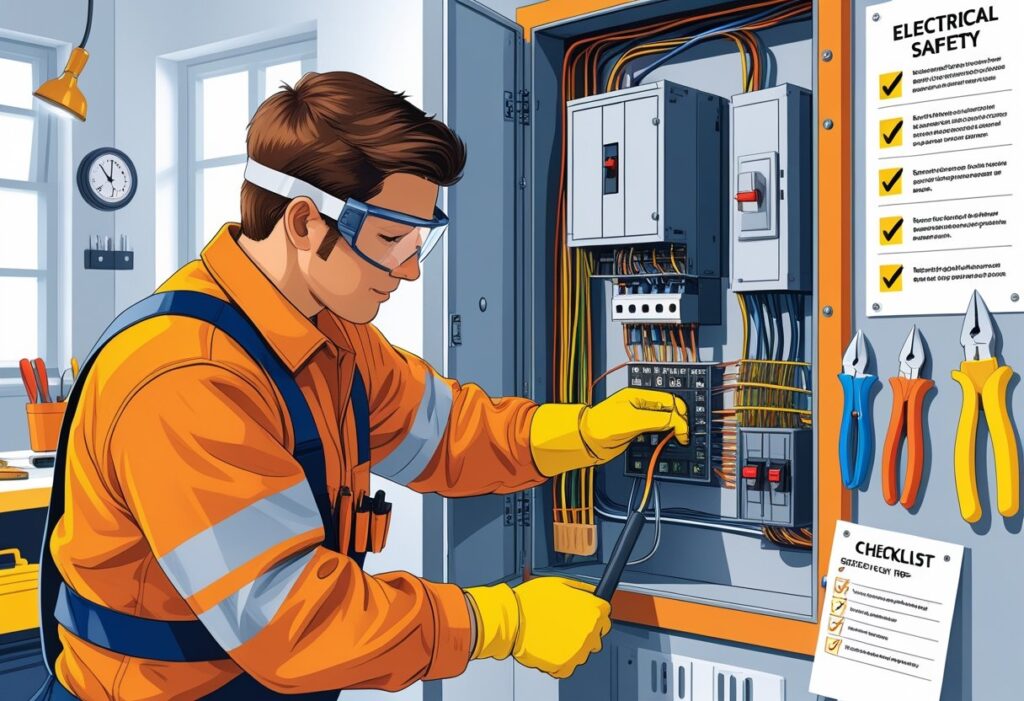
Jumping into DIY electrical work can be rewarding and might even save you a few bucks. But honestly, it’s easy to mess things up if you’re not careful or if you skip the basics. Knowing basic safety rules, following local codes, and understanding when to call a professional are your best bets for avoiding trouble.
A lot of common issues pop up because people overload circuits, pick the wrong wire gauge, or just don’t space outlets right. Stuff like that can lead to fires or injuries—definitely not what you want. At Magnify Electric, we want you to feel safe and confident, so we’re all about helping you dodge those mistakes.
If a project starts feeling overwhelming or you’re just not sure what you’re doing, our licensed electricians can jump in. We handle everything from swapping out lights to adding new outlets and fixtures—whatever keeps your place running safely.
Understanding Basic Electrical Safety
Before you grab your tools, focus on the essential safety steps. Knowing how to shut off power, spot potential hazards, and protect yourself can make all the difference.
Importance of Turning Off Power
Always shut off the power at the circuit breaker before you touch anything electrical. This isn’t just a box to check—it’s what keeps you from getting shocked or burned.
Don’t trust just flipping a switch or unplugging something. Power can still be in those wires. Go to the breaker or fuse box and make sure the right circuit is completely off.
Grab a voltage tester and double-check that everything’s dead before you get started. It might feel paranoid, but it’s worth it.
Recognizing Electrical Hazards
Watch for damaged wires, loose connections, or overloaded outlets. Any of these can spark, overheat, or even start a fire.
Water and electricity? Bad mix. Don’t work in damp spots or with wet hands, and keep an eye out for metal surfaces that could carry a shock.
Check that your wiring is up to code. Stuff like overloaded circuits, wrong wire sizes, or missing safety devices are accidents waiting to happen.
Personal Protective Equipment
Wear rubber-soled shoes and insulated gloves to cut down shock risk.
Safety glasses aren’t just for show—they’ll keep sparks or bits of wire out of your eyes. Skip loose clothes and jewelry that might snag on something.
The right gear helps you stay focused and safe. It’s a simple step, but it really matters.
Magnify Electric’s licensed electricians are ready for anything from quick fixes to big upgrades—whatever your home or business needs. We’re here to keep your space safe and powered.
Planning and Preparing for DIY Electrical Projects
Before you start messing with wires, figure out exactly what you want to do, learn the rules, and get your tools together. A little prep goes a long way toward staying safe and making things run smoother.
Identifying Your Project Scope
Start by deciding what the job actually is. Are you swapping outlets, adding new light fixtures, or maybe putting in a ceiling fan? Being clear helps you avoid surprises.
Write down which rooms or areas you’ll be working on and what you want to change. That way, you’ll know if you might need a permit or need to call in a pro. Sometimes things look simple, but you never know what’s hiding behind a wall.
Be honest about your skills. If you’re not sure, it’s totally fine to call the experts at Magnify Electric. Our licensed electricians handle everything from little repairs to full rewires.
Checking Local Codes and Regulations
Every city or county has electrical codes to keep things safe. These cover stuff like wire sizes, how many outlets per room, and how to protect circuits.
Check with your local building department or look online for the rules in your area before you start. Skipping this step can mean failed inspections or worse—dangerous mistakes.
Some projects need permits. Getting one means someone will check your work for safety. It might feel like a hassle, but it saves you headaches and expensive fixes later. Take a little time to learn your local codes before you get started.
Gathering the Right Tools
Having the right tools is just as important as knowing what you’re doing. For most electrical jobs, you’ll want:
- Voltage tester
- Wire strippers
- Flat and Phillips screwdrivers
- Electrical tape
- Pliers
Pick these up before you start. It’ll save you time and frustration.
Don’t forget safety stuff like insulated gloves and safety glasses. They really do help.
If you’re not sure what tools you need, ask Magnify Electric. We can point you in the right direction. The right tools help you work cleaner and safer—and keep you from getting hurt.
Choosing Appropriate Materials
Getting the right materials matters as much as anything else. Choose the right wire size for your load, and only use parts that meet safety standards. It’s not worth risking overheating or a failed circuit.
Selecting Correct Wire Gauges
Wire gauge is a big deal. Thicker wires carry more current without getting hot. For instance, 14-gauge wire handles up to 15 amps, while 12-gauge is good for 20 amps. Don’t use wire that’s too thin—it can overheat and become a fire hazard.
Longer runs need thicker wire because of voltage drop. If you’re running wire across the house, bump up the gauge. Local codes will tell you what’s required, so check those before you buy.
Using Certified Electrical Components
Only buy electrical parts with certifications like UL or ETL. Certified stuff has passed real safety tests, so you’re less likely to run into sparks or fires. This goes for outlets, switches, breakers—the whole lot.
Cheap, uncertified parts might look like a deal, but they can cause major headaches later. Always check for the certification mark on the label. If you’re not sure what to buy, ask Magnify Electric—we’ll help you pick what’s safe and up to code.
Proper Installation Techniques
Safe electrical work is all about the details: how you connect wires, where you put outlets and switches, and how you secure cables. Take your time here—sloppy work can lead to shocks, shorts, or worse.
Correct Wiring Connections
Match wire colors: black or red for hot, white for neutral, green or bare for ground. Use wire strippers that are made for electrical work so you don’t nick the wire inside. Twist wires together tight and cap them with wire nuts. Loose or exposed wires? That’s just asking for trouble.
Turn off the breaker before you start, and test to make sure the power’s really off. If you’re not confident about wiring, call Magnify Electric. We can double-check your work or handle the tricky stuff.
Safe Outlet and Switch Placement
Keep outlets at least 12 inches above the floor for easy access, and follow code for how far apart they should be. Kitchens, bathrooms, and outdoor spots need GFCI outlets to protect against shocks from water. Set switches about 48 inches high so you can reach them easily.
Don’t put outlets right next to sinks or wet spots unless they’re properly protected. Think ahead about where you’ll want outlets and switches—it makes life easier and keeps you from overloading circuits.
Securing Wires and Cables
Keep your wiring tidy. Use staples or cable clamps every 4 to 6 feet to secure cables, but don’t crush the insulation. Run cables through holes in framing, not wrapped around pipes or nails.
Use junction boxes anywhere wires join or split. They keep connections safe and up to code. We always do this at Magnify Electric—it’s just the right way to work.
Testing and Troubleshooting
Once you’ve done your wiring, check that everything works and is safe. Confirm your wiring is complete and use your tools carefully—rushing this part can lead to mistakes.
Verifying Circuit Integrity
Check for continuity to make sure your circuit isn’t broken. You’ll need a continuity tester or a multimeter to see if electricity can flow through your wires.
Turn off the power before you start, and disconnect wires if you need to test a specific section. If your tester says there’s no continuity, you might have a break or a bad connection.
Testing regularly can catch small problems before they get dangerous. It also lets you know your system’s solid before you flip the breaker back on.
Using a Multimeter Safely
A multimeter is your friend—it measures voltage, current, and resistance. Use it to test outlets, switches, and wires for problems. Always double-check the setting before you touch the probes to anything.
Turn off the power unless you’re checking live voltage (and if you are, be extra careful). Use insulated handles, and don’t touch the metal tips.
When you test an outlet, look for the right voltage and grounding. If you find weird readings—like no voltage or a short—don’t use that outlet until you fix it.
If you’re stuck or just want a second opinion, Magnify Electric’s licensed electricians are here to help. We’ll make sure your work is safe and up to standard.
Frequently Asked Questions
Staying safe and avoiding common mistakes is the heart of good DIY electrical work. It’s how you keep your home protected and avoid nasty surprises.
What steps should I take to ensure safety before starting any DIY electrical project?
First, shut off the power at the breaker before you touch anything.
Double-check with a voltage tester. Wear insulated gloves, and make sure your workspace is dry.
Clear away clutter so nothing’s in your way. If you’re unsure, don’t go it alone.
Can you provide guidelines to avoid common errors when doing electrical wiring at home?
Follow wiring diagrams closely—don’t guess. Use the right wire size for your circuit.
Label wires as you go so you don’t lose track. Don’t overload circuits with too many devices.
Secure wires with clamps, and never leave wires hanging loose. Test every connection before you close up walls.
How can I identify if a DIY electrical task is beyond my skill level?
If your project involves the main panel, new circuits, or complicated wiring, it’s probably time to call a pro.
If you’re not comfortable reading diagrams or using tools safely, don’t risk it. Weird stuff like breakers tripping or lights flickering? Get expert help.
What are the essential tools I need for safe DIY electrical work?
You’ll want a voltage tester, wire strippers, insulated screwdrivers, a multimeter, and electrical tape.
A flashlight, needle-nose pliers, and wire nuts come in handy too. The right tools make a big difference in avoiding mistakes.
Could you tell me about the safety codes I should be aware of for home electrical DIY?
Local electrical codes usually want you to get permits before you start certain electrical projects. These rules touch on stuff like how you run wires, where you put outlets, and what size breaker you use.
Before you dive in, check your city or county’s specific rules—they can surprise you. Oh, and don’t forget: grounded outlets and GFCI protection in places that might get wet? Those are pretty much always required.
What procedures are recommended for testing electrical work after a DIY project?
Carefully turn the power back on, then grab a voltage tester to check your connections.
Try plugging in a lamp or appliance to test outlets and switches. Keep an eye out for warning signs like sparks or outlets that feel warm.
If you catch any weird smells or a breaker trips immediately, shut off the power and take another look at what you did.
If things get complicated or you just want peace of mind, Magnify Electric’s licensed electricians can help—whether it’s at home or your business. Sometimes it’s just better to call in the pros, right?