
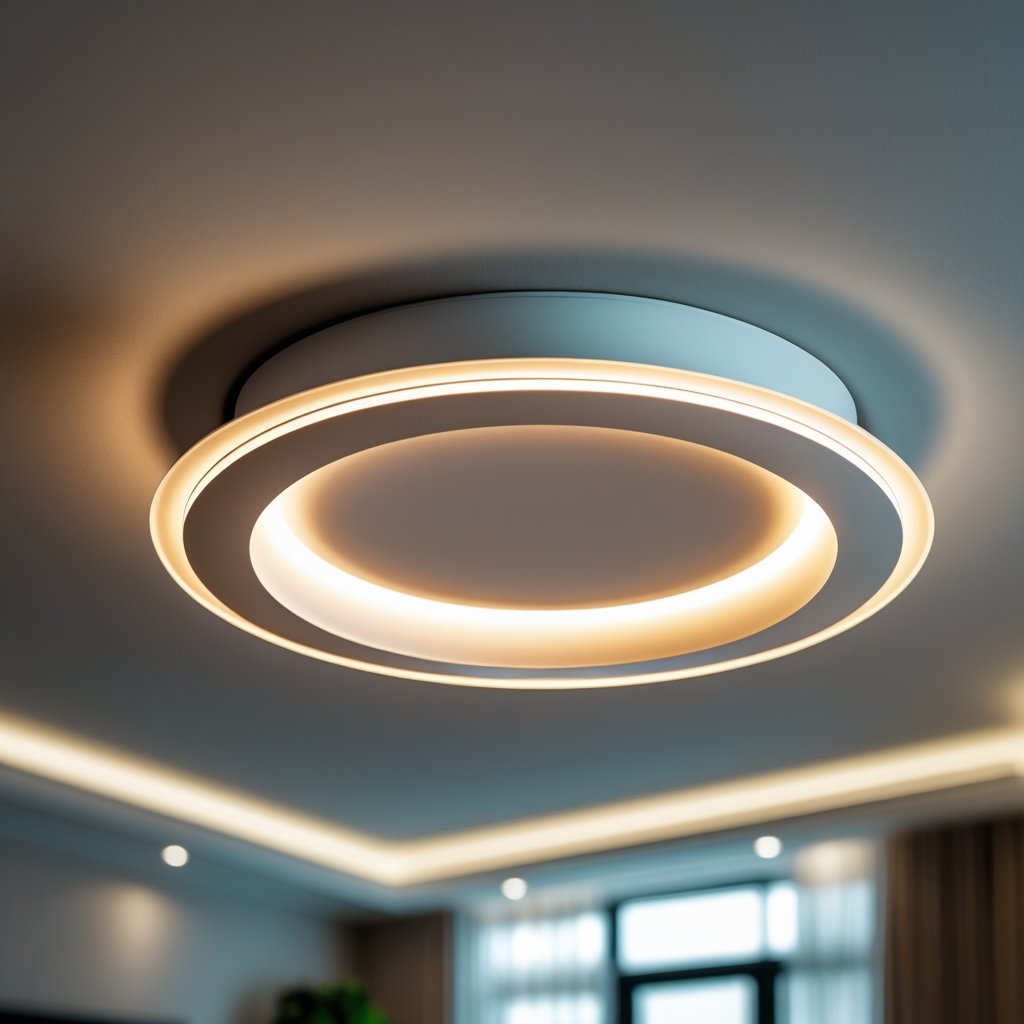
If you’re thinking about installing recessed lighting in your home, you probably want to know what it will cost. The cost to install recessed lighting usually ranges from $100 to $300 per light, depending on the type of fixture, the complexity of the installation, and whether you need an electrician.
This price includes both the light itself and the work to place it inside your ceiling. Installing recessed lights can change the look of a room, creating a clean and modern feel.
The price can vary if you need to cut into your ceiling or upgrade your electrical system to handle the new lights. Knowing the potential costs upfront helps you plan better and avoid surprises when the work starts.
Average Cost to Install Recessed Lighting
Installing recessed lighting costs can vary based on where you live, the type of lights you choose, and how many fixtures you want. You’ll also want to know how much you’ll pay for each light and how labor and materials split your total cost.
National Average Price Range
Across the U.S., the average price to install recessed lighting usually falls between $100 and $200 per light. This price includes both materials and labor.
In some areas, like big cities, costs can be higher because labor rates are more expensive. In rural areas, you might pay less.
If your installation requires extra electrical work, expect the price to go up. You can save money by installing fewer fixtures or using less complex designs.
Basic installations tend to cost less than those needing extra wiring or more powerful lights.
Typical Cost Per Light
Each recessed light fixture itself can cost from $20 to $100 or more, depending on the type and brand you pick. LED options are popular because they use less energy and last longer, but they may cost a bit more upfront.
On average, most people pay around $150 per light installed. This includes cutting into the ceiling, wiring, and securing the fixture.
If your ceilings are harder to access or your wiring is older, you might pay more for each light. Also, adding dimmers or smart systems will add to the price.
Labor vs. Materials Breakdown
Labor makes up about 60% to 70% of the total cost to install recessed lighting. This includes the electrician’s time to run wires, cut holes, and connect the fixtures safely.
Materials—such as the light fixtures themselves, wiring, and hardware—usually make up 30% to 40% of the price. Choosing basic lights and simple wiring will reduce material costs.
If your project needs new junction boxes or upgrades to your electrical panel, labor costs will increase. Make sure your electrician has experience installing recessed lights to avoid extra problems or costs.
Factors Influencing Installation Cost
Several details affect the total cost when you install recessed lighting. These include the size of your room, the height of your ceiling, the type of lights you choose, how the wiring is set up, and how many lights you want.
Room Size and Ceiling Height
The size of your room matters because it often decides how many lights you’ll need. Larger rooms usually need more light fixtures, which raises your cost.
Ceiling height also plays a part. If your ceiling is high, it might take more work to install the lights safely.
This can add to labor costs. Low ceilings are easier and faster to work with.
In rooms with tricky access, like those with beams or pipes behind the ceiling, installation takes longer and can be more expensive. Plan for extra time and cost if your space is complicated.
Type of Recessed Light Fixture
The type of light fixture you pick impacts your price. Standard recessed lights are usually cheaper to install than specialty ones.
LED recessed lights save energy and last longer but might cost more upfront. Basic halogen fixtures are less expensive but use more power and need replacing sooner.
Some fixtures include features like dimming or color change. These add cost because your electrician might have to install special switches or wiring.
Wiring and Access Requirements
Your home’s wiring condition can affect installation price. Older wiring may need upgrading, which costs more.
If the wiring is hidden in hard-to-reach places, the job takes longer. If you don’t have an existing switch or outlet near the installation points, new wiring or junction boxes might be needed.
These extra materials and labor add to what you pay. Electrical codes may require special safety measures, which can increase cost but keep your home safe.
Number of Lights Needed
The number of lights you want will change the price. Each fixture requires materials and time to install, so more lights mean more expense.
Plan where you want lights to avoid overdoing it. Too many fixtures not only increase cost but may also use more energy than needed.
A good rule is to space lights about 4 to 6 feet apart for even coverage. This helps you get the right amount of light without unnecessary extras.
| Factor | Impact on Cost |
|---|---|
| Room Size | Larger rooms need more fixtures |
| Ceiling Height | Higher ceilings increase labor time |
| Fixture Type | Advanced features and LED cost more |
| Wiring Condition | Old or hidden wiring raises expenses |
| Number of Lights | More lights mean higher material and labor costs |
Breakdown of Material Costs
When planning recessed lighting, you’ll need to think about the price of the fixtures themselves, the trim and bulbs you’ll use, and any smart upgrades if you want more control. These parts each affect how much you spend and the look and function of your lighting.
Fixture Prices
The main cost starts with the recessed light fixture. Basic models usually cost between $20 and $50 each.
These are good for simple rooms or areas where you don’t need special features. If you want parts with better build quality or additional features like adjustable trims, prices can reach $100 or more per fixture.
You may also see fixtures rated for damp or wet locations, used for bathrooms and outdoor spaces. These tend to be a bit more expensive but are important for safety and durability.
Trim and Bulb Options
Trim choices affect both style and cost. Standard trims are typically $10 to $30 each and come in white, black, or metallic finishes.
Specialty trims like baffles (reduce glare) or reflectors (increase brightness) may cost extra. Bulbs usually add another $5 to $20 depending on the style and efficiency.
LED bulbs are more costly upfront but use less energy and last longer than incandescent or halogen.
Smart Lighting Upgrades
Smart recessed lights let you control brightness, color, and schedules using your phone or voice assistant. These fixtures cost more—typically $50 to $150 each—because of the built-in tech.
If you want to add smart bulbs instead of a full fixture, expect to pay around $20 to $60 per bulb. Adding smart controls may also include the cost of hubs or apps, so plan your budget to cover these extras.
Breakdown of Labor Costs
When you install recessed lighting, part of your total cost will come from paying for labor. These costs depend on how much an electrician charges per hour and any permits or inspections required by your local rules.
Electrician Hourly Rates
Electricians usually charge between $50 and $100 per hour for installing recessed lights. The exact rate depends on where you live and how complex the job is.
If your ceiling is easy to work on with existing wiring, the rate might be closer to $50. But if the installation requires cutting into drywall or running new wires, expect the higher end of the price.
Complex jobs take longer, so labor costs increase with the time needed. Always ask for an estimate before work starts, so you know what to expect.
Permit and Inspection Fees
Some areas require permits for recessed lighting installation. Permits ensure the job is safe and follows building codes.
You might pay between $50 and $200 for the permit, depending on your city. After installation, an inspection may be needed.
Inspections check that wiring and fixtures meet safety rules. Fees for inspections can be part of the permit cost or charged separately.
Getting a permit and inspection might add to your upfront costs. But it helps avoid problems and fines later on.
Installation in New Construction vs. Existing Homes
Installing recessed lighting can vary a lot depending on whether you’re building new or working in an existing home. Your costs and challenges will change based on the current state of your walls and ceilings.
Cost Differences
When you install recessed lighting in new construction, it’s usually easier and cheaper. The ceiling and walls are open, so running wires and mounting fixtures takes less time.
You only pay for the fixtures, wiring, and labor to install. In existing homes, costs go up since you may need to cut holes in finished ceilings and repair drywall afterward.
You might also spend more on labor because electricians must be careful working around older wiring and structures. You may need special tools to fish wires through tight spaces.
Typically, you could pay about 20-50% more to install recessed lights in an existing home than in new construction.
Special Considerations
For new builds, you can plan the layout easily and run wiring ahead of time. This helps you place lights exactly where you want them with minimal hassle.
You also don’t have to worry about matching textures or paint after installation. In existing homes, you should think about ceiling material.
If you have plaster or textured ceilings, fixing holes left by recessed lights can be tricky and costly. Older electrical panels might need an upgrade to handle the added lights safely.
Safety checks and permits might add time and cost.
Additional Expenses to Consider
Installing recessed lighting might seem simple, but some extra costs can come up during the process. These expenses can affect your budget, so it’s good to know what to expect ahead of time.
Drywall Repair
When you add recessed lights, holes need to be cut in your ceiling drywall. This often leads to the need for patching and painting afterward.
If the holes are large or your ceiling has textured paint or popcorn finish, repairs can take more time and cost more money. You might see repair costs ranging from $100 to $300 depending on the damage and finish.
If the drywall is old or fragile, it could be more work to fix without leaving marks or uneven spots. You can save money by carefully removing drywall yourself or hiring a pro who includes drywall repair in their service.
Dimming and Control Systems
Adding dimmers or smart controls can increase your overall price but gives you better lighting control. Standard dimmer switches cost about $20 to $50 each.
More advanced systems, like smart dimmers that work with apps or voice control, can cost $100 or more per unit. Installing these controls may require extra wiring or compatible bulbs, adding to labor and equipment costs.
If you want to set up multiple lighting zones or link your lights with a smart home system, plan for higher expenses. These upgrades improve flexibility but need you to decide what fits your needs best.
Ways to Save on Recessed Lighting Installation
Knowing where to cut costs can make installing recessed lighting more affordable. You can consider doing some parts yourself or look for discounts when buying supplies.
Both options help lower the total expense without hurting the quality.
DIY vs. Professional Installation
Doing the installation yourself can save money. If you have basic electrical skills and tools, you might install recessed lights with careful planning.
Testing fixtures before install and proper junction box setup are important steps you should not skip to avoid problems later. However, hiring a licensed electrician often saves money over time.
Professionals work faster and know how to follow safety codes, reducing the risk of costly mistakes. If your home needs rewiring or has complex wiring, a pro is best.
You also avoid potential permit or insurance issues by choosing an expert.
Bulk Purchasing Discounts
Buying recessed lighting fixtures and supplies in bulk can lower your costs. Some stores or online sellers offer discounts for larger orders.
Look for deals on LED bulbs, trim kits, and housings when you know how many lights you’ll install. Make a list of everything you need before shopping.
Compare prices from multiple suppliers to find where bulk discounts apply. You might save more money by coordinating all purchases at once rather than buying items separately over time.
Estimating Your Project Budget
When you plan to install recessed lighting, think about several factors that affect the cost. These include the number of lights, the type of fixtures, and any extra equipment the electrician needs.
Here are some common costs to consider:
- Light fixtures: Prices vary depending on style and brand.
- Labor: Electricians charge based on time and complexity.
- Delivery and Mobilization: If the fixtures must be delivered or special tools brought in, this can add to the price.
Also, consider your home’s wiring. Some rooms may need rewiring if they can’t support new fixtures.
This can increase your budget, but it also improves your electrical system’s safety. Using LED recessed lights saves energy and lasts longer than traditional bulbs.
Lower electric bills and fewer replacements make LEDs a smart choice.
To help you plan, here is a simple list to guide your budget:
| Item | Estimated Cost Range | Notes |
|---|---|---|
| Light Fixtures | $30 – $150 per fixture | Depends on style and brand |
| Labor Fees | $50 – $100 per hour | Varies by electrician |
| Delivery/Mobilization | $20 – $50 | If special equipment needed |
| Possible Wiring Upgrades | $100 – $400 per room | Depending on room size |
Frequently Asked Questions
Installing recessed lighting costs depend on the room size, type of ceiling, and electrical work needed. The price can change if you add extra lights or hire a professional.
How much does it typically cost to install recessed lighting in a room?
You can expect to pay between $100 and $250 per recessed light installed. This includes the fixture, wiring, and labor.
Larger rooms or complicated ceilings may increase the price.
Can you provide a breakdown of costs for installing recessed lighting in an existing ceiling?
The main costs include the light fixture ($20 to $100 each) and labor ($50 to $150 per hour). You may also need wiring or electrical upgrades.
Working with an existing ceiling usually costs more because you have to cut holes and patch afterward.
What are the additional expenses involved in installing 6 recessed lights?
Besides the fixtures and labor, you may pay for new wiring or switches. If your electrical panel needs upgrading to handle the extra load, that will cost more.
On average, installing six lights could total $600 to $1,500.
Is it necessary to hire an electrician for recessed light installation, and how does that affect the cost?
Hiring a licensed electrician is safer and often required by code. This adds to the cost but ensures proper and safe installation.
Electricians also handle complex wiring and code compliance, which DIY might miss.
What is the average cost difference between installing recessed lighting and flush mount fixtures?
Flush mount fixtures are generally cheaper, costing $50 to $150 installed. Recessed lighting costs more because you need to cut into ceilings and add wiring.
You can save money with flush mounts but lose the sleek look that recessed lights offer.
Where can I find a reliable calculator to estimate the cost of adding recessed lighting to my home?
Visit websites of local electricians or home improvement stores. Many of these sites offer free online calculators.
You can enter your room size, number of lights, and ceiling type. The calculator will then give you a tailored estimate.