
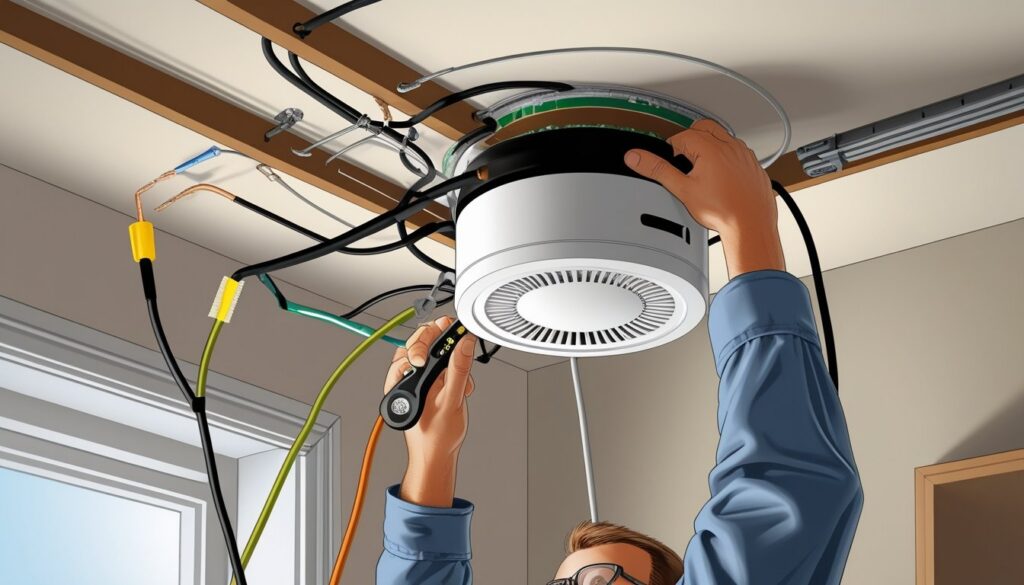
Wiring a CO detector in Round Rock protects your household and gives you peace of mind. A properly wired carbon monoxide detector hardwired to your home’s electrical system with battery backup and placed near sleeping areas is the safest setup you can choose. Let’s get into what you need to know about planning, code requirements, and installation steps so you can make smart choices for your home or business.
You’ll see where DIY makes sense and where you’ll want a licensed electrician. Magnify Electric’s licensed electricians work on everything from basic detector installs to whole-home safety upgrades, panel work, EV charger wiring, smart-home setups, outdoor lighting, and emergency repairs around Round Rock and Central Texas. They handle both residential and commercial jobs, making sure your CO detectors follow local codes and play nice with other safety systems.
If you’d rather leave it to the pros, Magnify Electric offers fast, expert service for smoke and CO₂ detectors, surge protection, recessed lighting, wiring projects, and full electrical troubleshooting. You’ll get clear quotes and code-compliant installs, whether you just need a quick fix or a full system upgrade.
Understanding CO Detector Wiring in Round Rock
Clear wiring, good placement, and code compliance keep your home and business safe from carbon monoxide. Here’s why proper installation matters, what local rules might apply, and which detector types fit your setup.
Importance of Proper CO Detector Installation
Wiring and placement make or break CO alarms. Hardwired detectors with battery backup give you constant power and let all units sound together if one detects CO. That interconnect feature? It’s a must in bigger homes or commercial spaces—early warning everywhere.
Mess up the install, and you could get false alarms or dead detectors. Bad connections, skipping battery backup, or putting a detector near a vent can really mess with detection. Licensed electricians cut those risks by testing voltage, checking interconnect wiring, and making sure backup batteries are in and easy to reach.
Maintenance matters, too. Test detectors monthly, swap batteries every year, and replace the whole unit every 7–10 years. If you want a hand, Magnify Electric’s licensed electricians can handle wiring, testing, and ongoing support for homes or businesses.
Local Codes and Regulations
Round Rock and Central Texas stick to the National Electrical Code (NEC) and local tweaks. The NEC calls for hardwired, interconnected smoke and CO alarms in most new or remodeled homes. Local building officials often require CO protection if you have fuel-burning appliances or an attached garage.
Permits and inspections usually come with hardwired installs. An electrician pulls the permit, installs to code, and gets the system inspected. That way, wiring meets grounding, load, and outlet placement standards.
If you’re in Round Rock, Cedar Park, Georgetown, Leander—check city-specific rules. Magnify Electric can pull permits, set up inspections, and install detectors that meet both NEC and local codes across Central Texas.
Types of CO Detectors
You’ve got plug-in, battery-only, and hardwired models with interconnect. Battery-only units are simple and fine for quick fixes, but you have to check them often. Plug-in types are convenient but not so great if you forget about backup batteries during a power outage.
Hardwired, interconnected detectors give the best protection for bigger homes and businesses. They run on house power with battery backup and connect so every alarm sounds at once. Many also tie in with smoke alarms and smart home systems like Lutron for alerts and automation.
Combo smoke/CO detectors save space and make wiring easier, but make sure your model meets code for both. For EV charger spots, garages, or commercial properties, pick detectors rated for those areas and have a pro install them for proper placement and wiring.
Pre-Installation Planning
Pick your detector spots, check your power needs, and map out coverage so you’re up to code and sleeping areas stay protected. Plan wiring paths, circuit capacity, and the number of units before you start drilling or touching the panel.
Choosing the Right Location
Place CO detectors outside every sleeping area and on every floor—basements, too. Mount on a wall about 5 feet up or on the ceiling at least 6 inches from any wall. Steer clear of corners and dead air spaces where gas can get trapped.
Keep detectors at least 10 feet from fuel-burning appliances to dodge false alarms, but not so far that they miss a leak. Don’t put them inside or right above kitchens, garages, or dusty spots. In multi-family or commercial buildings, put detectors in hallways that serve several rooms and inside mechanical or boiler rooms with combustion equipment.
Assessing Electrical Requirements
Decide: battery-only or hardwired, AC-powered detectors with battery backup? Hardwired units need a steady 120V circuit and interconnect wiring so all alarms trigger together. Check if your panel has a free 15–20A branch circuit or if you’ll need to add one.
For hardwired setups, plan cable or conduit routes from the nearest junction box to each detector. Use 18–22 AWG interconnect wire per the manufacturer and follow local code for boxes and mounting. Get a licensed electrician to check existing wiring, install new breakers if needed, and pull permits if required.
Determining Detector Coverage
Count bedrooms and floors to figure out how many units you need—at least one outside each sleeping area and one per floor. In big homes or open commercial spaces, keep detectors so no spot is more than 30–40 feet from a unit (that’s the usual safety tip).
For interconnected systems, wiring lets one alarm trigger all. Place detectors to cover garages, mechanical rooms, and attached living spaces. If you’ve got HVAC returns or long halls, position detectors so airflow brings CO to the sensors. Consider combo smoke/CO units where allowed to cut down clutter and still cover both hazards.
Step-by-Step Guide to CO Detector Wiring Installation
You’ll prep the circuit, wire things up, mount the unit, and test the detector so it works with your power and any interconnects. Use the right tools, stay safe, and call a pro if you’re not sure.
Preparing the Electrical Circuit
Turn off the breaker for the circuit you’ll use and lock or tag it if you can. Double-check the power’s off with a non-contact voltage tester at the fixture box and where the detector goes.
Pick a 120V branch circuit that can handle the detector and anything else connected. For interconnected detectors, plan the 3-wire run: hot (black), neutral (white), and interconnect (usually red). Use in-wall rated cable that matches local code.
Find a junction box or install one that fits the detector and wiring. Make sure the box is flush with the finished wall or ceiling and fastened to framing. In multi-unit or commercial spaces, check the circuit is dedicated if code says so.
Wiring the Detector
Strip about 3/8 inch of insulation from each wire and keep things tidy. Connect the detector’s black lead to hot, white to neutral, and red to the interconnect terminal if it’s there. Use wire nuts that fit the wire size and twist firmly before capping.
For hardwired detectors with battery backup, make sure the backup battery is in according to the manual. Daisy-chaining? Repeat hot, neutral, and interconnect connections at each device—keep polarity consistent and splices tight.
Ground the metal box and detector bracket by hooking up the bare or green ground wire to the box and the detector’s ground screw. Push the wired detector into the box gently, keeping wires clear of screw paths.
Mounting and Securing the Device
Use the manufacturer’s mounting template for holes. For ceiling installs, keep detectors at least 4 inches from walls and away from ducts, windows, and fans. For wall mounts, put the top edge 4–12 inches below the ceiling.
Attach the mounting bracket to the box with the screws provided; snug, but don’t crank down on plastic parts. Snap or screw the detector onto the bracket so it sits flush. In commercial or busy areas, use tamper-resistant screws if needed.
Label the detector with the circuit ID and install date inside the box or on the device. Keep wiring neat and out of the way. If you’d like, Magnify Electric can handle mounting to code and back up the work with a warranty.
Testing After Installation
Restore power at the breaker and check for the detector’s LED light. Press the test button until the alarm sounds—if detectors are interconnected, they should all go off within seconds.
Test the battery backup by briefly killing AC power and pressing the test button again. Use a CO test kit or a controlled CO source per the manufacturer—never an open flame or anything risky.
Jot down test results and the install date. If the alarm doesn’t pass, turn the power off and re-check wiring and connections. Call a licensed electrician if you need help troubleshooting, checking the panel, or integrating CO detectors with smart home systems, EV charger circuits, surge protection, or other electrical upgrades—Magnify Electric covers all that across Round Rock and Central Texas.
Ensuring Code Compliance in Round Rock
You’ve got to meet local rules and pass inspections when wiring CO detectors. Here’s what you need to know about permits and what inspectors actually look for.
Permit Considerations
You’ll almost always need a permit for hardwired CO detector installs, especially if you’re tying into the home’s electrical system or changing the circuit. Get permits from the Round Rock Building Inspections Division or the city’s online portal before starting. Just give a basic scope: detector locations, circuit used, and any panel changes.
Licensed electricians must sign off on work with new circuits, panel upgrades, or interconnected devices. If you hire Magnify Electric, their electricians will handle the paperwork and make sure everything follows the latest NEC and local rules. Keep copies of permits and receipts handy for inspections.
Inspection Procedures
An electrical inspector checks wiring, grounding, and interconnects between CO and smoke alarms. They make sure detectors are on the right circuit, use approved boxes, and have secure connections. Battery backup and proper mounting height get checked, too.
You’ll get a rough-in inspection if you run new wiring, and a final inspection after everything’s installed and powered up. If there are issues, you’ll get a punch list to fix. Magnify Electric does pre-inspection checks and fixes common problems like bad splices, missing grounds, or wrong cable types to help you pass.
Maintenance and Safety Tips
Keep detectors clean, tested, and powered. Swap batteries and call an electrician if alarms act up or the unit is 10+ years old.
Regular Testing
Test each CO detector at least monthly with the test button. Hold it until the alarm sounds; that confirms the electronics and speaker are good. If it’s silent or weak, check wiring and power before replacing the unit.
For hardwired detectors, turn off power at the breaker before poking around. Look for loose wires, burnt insulation, or moisture. For plug-in or battery types, make sure the plug is solid and the battery tray is clean.
Record test dates on a sticker or in your phone. If a detector keeps failing, replace it or set up a service call with Magnify Electric for a pro inspection and safe swap.
Battery Replacement
Change batteries once a year for sealed or replaceable-battery CO detectors. Use the battery type the manufacturer recommends—usually alkaline or lithium. Don’t mix old and new batteries or different brands.
If your detector chirps, that’s usually a low battery—change it right away. Also swap batteries after long power outages, since backup batteries can drain.
For hardwired detectors with battery backup, replace the backup battery as the manual says and test right after. If you’d rather have a pro handle battery swaps or upgrade to long-life units, Magnify Electric’s electricians can help.
Troubleshooting Common Issues
When an alarm starts beeping, pay attention to the pattern. One chirp every minute? That’s usually a low battery. Rapid beeping might mean the detector’s at the end of its life or there’s actually carbon monoxide in the air. If you suspect CO, get everyone out, call emergency services, and wait until they say it’s safe to go back in.
False alarms happen—sometimes from nearby fuel-burning appliances, paint fumes, or just cooking smoke. If it keeps going off for no good reason, try moving the detector 10–15 feet away from kitchens or gas appliances. Don’t just take the battery out or disable it; get it checked instead.
If you have a hardwired unit that’s gone silent, check your breaker and wiring. Spot any corroded terminals or frayed wires? Or does it keep acting up? That’s when you should call Magnify Electric. Their licensed electricians take care of wiring repairs, replacements, and full-system checks around Round Rock and Central Texas. It’s about keeping your place safe.
Professional Installation Services in Round Rock
You’ll get licensed electricians who handle smoke and CO₂ detector wiring, whole-home safety upgrades, and smart-home integration. They work with both homes and businesses throughout Central Texas, whether you need a quick fix or a full system install.
Choosing a Qualified Electrician
Find an electrician with a current Texas license and insurance. Ask them to show proof and give you a written estimate before they start. Make sure they know their way around CO detector wiring, smoke alarms, surge protectors, and generator hookups.
Look for warranties or guarantees on labor and parts. Read local reviews and, if you’re the cautious type, ask for references—maybe from jobs like recessed lighting, panel upgrades, or EV charger installs. Want smart-home features? Double-check they know Lutron systems and other automation gear.
Magnify Electric’s crew has licensed electricians who handle both residential and commercial jobs. They do everything from outlets and ceiling fans to commercial lighting and emergency electrical work.
What to Expect During a Professional Visit
A technician starts with a safety inspection of your panel, circuits, and existing detectors. They’ll test CO and smoke detector spots, check power sources, and make sure everything meets local codes in Round Rock and nearby cities.
You’ll get a plan showing where detectors will go, if they need their own circuits, or if you need battery backups or interconnects. The crew will talk you through options like hardwired interconnects, best spots near bedrooms, or connecting to backup generators.
Expect neat wiring, labeled circuits, and a proper cleanup. Afterward, the electrician will show you how the detectors work, how to test and swap batteries, and hand over any documentation and warranty info.
Upgrading and Expanding Your CO Detector System
Want to link detectors into a smarter network or add more for better coverage? You’ll get steps for wiring, smart features, and local service options so you can decide what’s worth adding and how to do it safely.
Integrating with Smart Home Systems
If you want phone or voice alerts, pick CO detectors that support smart integration or hardwired models with a compatible smart module. Most connect by Wi‑Fi or Z-Wave, but double-check what your hub supports before you buy.
Hardwired detectors with relay outputs can tie straight into home automation. Have a licensed electrician run the low-voltage or dry-contact wiring to your smart hub or alarm panel. That way, the CO alarm can trigger things like lights, push alerts, or even shut down your HVAC.
Magnify Electric’s licensed electricians install and set up smart links, including Lutron and other home hubs. They handle wiring, testing, and placement so your notifications and interconnects actually work across your house.
Adding Additional Units
Add a CO detector outside every sleeping area and at least one per floor—including basements and attached garages. For ceilings, install at least 5 feet from any wall; for walls, go 5–6 feet above the floor. Stick to what the manufacturer recommends for spacing.
When you expand a hardwired system, keep the same interconnect type and circuit. Use the right gauge wire (usually 18/3 or whatever the manufacturer says) and a dedicated 120V circuit if it’s needed. Test each new unit for interconnect signals and battery backup after installing.
If you’re in Round Rock or nearby, Magnify Electric serves Round Rock, Cedar Park, Georgetown, Leander, Austin, and other Central Texas spots. They can add units, upgrade panels, or do safety inspections—single installs, whole-home systems, emergency upgrades, the works.
Frequently Asked Questions
Magnify Electric’s licensed electricians install, wire, and check CO detectors for homes and businesses across Central Texas. You’ll get expert service for simple swaps, hardwired installs, smart-home setups, and full electrical upgrades.
Can I install a carbon monoxide detector myself or should I call a pro?
You can put in a plug-in or battery CO detector yourself—just follow the instructions and local codes.
Call a pro if you need a hardwired connection, want to link alarms, or need new wiring and boxes.
Magnify Electric’s licensed team can handle hardwired installs, connect alarms, and check wiring to meet code around Round Rock.
What’s the typical price for installing a CO detector in my home?
A basic battery detector usually costs $20–$60, and it’s quick to install.
Hardwired or interconnected systems cost more—think $100–$300 per device with labor, depending on how tricky the wiring is.
Get a quote from Magnify Electric—prices depend on wiring, placement, and whether you want interconnects or smart features.
Where’s the best spot in the room to install a carbon monoxide alarm?
Install CO alarms close to bedrooms and on every floor.
Mount them on the wall about 5 feet up or on the ceiling, not in corners or near vents. Manufacturer instructions rule here.
Don’t put detectors right next to fuel-burning appliances, windows, doors, or vents—drafts mess with readings.
Are battery-operated CO detectors as reliable as hardwired ones?
Battery detectors work well if you swap batteries on time and test monthly.
Hardwired units with battery backup are more dependable for interconnected alarms and less maintenance.
For whole-home setups, Magnify Electric installs hardwired, interconnected systems and can explain the pros and cons of each type.
How often should I replace my carbon monoxide detector to stay safe?
Swap CO detectors every 5–7 years or as the manufacturer says.
Test monthly and change batteries at least once a year, or sooner if the device beeps for low battery.
Write down the install date so you know when to replace. Magnify Electric can mark install dates and schedule testing or replacements for you.
What are the legal requirements for installing CO detectors in residential properties?
Local and state laws can differ quite a bit. In a lot of places, you’ll need CO detectors if your home has an attached garage, fuel-burning appliances, or bedrooms nearby. You’ll want to double-check Round Rock and Texas building codes to nail down exactly where to put them, especially if it’s a new build or a rental. The rules for interconnecting alarms can get pretty specific.
Magnify Electric handles code-compliant installs and safety inspections all over Central Texas—places like Spicewood, Austin, Bee Cave, Lakeway, Dripping Springs, Georgetown, Leander, Round Rock, Kyle, Cedar Park, Liberty Hill, Westlake, The Hills, Briarcliff, Horseshoe Bay, Sunset Valley, Hutto, and more. We’ll take care of anything from swapping out a simple fixture to bigger electrical upgrades, smart home setups, those late-night emergency repairs, or even commercial lighting.