
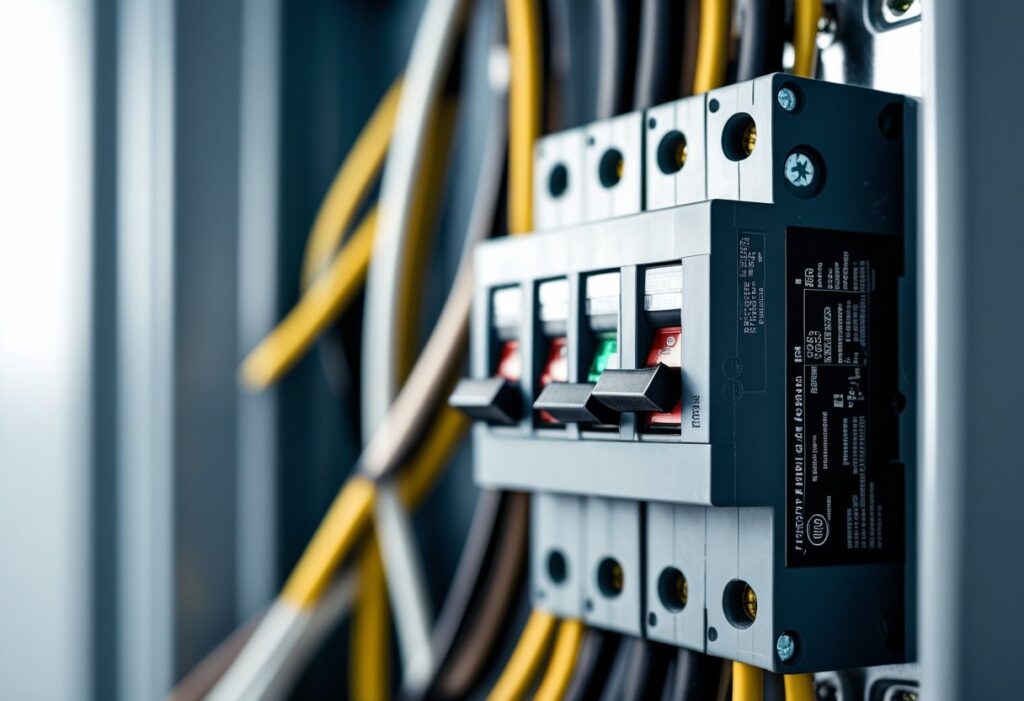
If you’re installing or replacing an electric dryer, choosing the right breaker size is essential for safety and performance. Most electric dryers need a double-pole circuit breaker rated for 30 amps to handle the power they use.
This breaker protects your home from electrical overloads and makes sure your dryer runs smoothly. Electric dryers operate on 240 volts, so a double-pole breaker is needed.
Using the right size breaker and proper wiring keeps your dryer safe and helps prevent tripped breakers or fire risks. Getting this right helps you avoid costly repairs.
Understanding Breaker Size Requirements
When choosing a breaker for your electric dryer, consider electrical codes, typical size ratings, and why correct sizing matters for safety. These factors help keep your dryer working safely.
National Electrical Code Guidelines
The National Electrical Code (NEC) sets rules about breaker size and placement for appliances like dryers. Your breaker should match the dryer’s voltage and power needs.
Most electric dryers require a 240-volt circuit protected by a breaker that can handle the dryer’s amperage. The NEC usually recommends a 30-amp double-pole breaker for typical residential dryers.
You’ll also want to match the breaker size with the proper wire gauge, normally 10-gauge wire for a 30-amp circuit.
Typical Breaker Ratings for Electric Dryers
Most home electric dryers use a 30-amp breaker. This size handles the energy needs without tripping during normal use.
Some smaller or newer dryers might run on a 20-amp breaker, but this is less common. Always check the dryer’s manual or label to find its exact electrical requirements.
Dryers need breakers that can protect against overloads. A breaker that’s too small can cause frequent trips. One that’s too large might not protect wiring and appliances from damage.
| Breaker Size | Wire Gauge | Typical Use |
|---|---|---|
| 20 amps | 12 AWG wire | Small or low-power dryers |
| 30 amps | 10 AWG wire | Standard residential dryers |
| 40 amps | 8 AWG wire | Some large or commercial dryers |
Importance of Proper Sizing
The right breaker size keeps you and your home safe. The breaker stops too much current from flowing, which protects wires and your dryer from damage.
If your breaker is too small, it will trip often and interrupt drying cycles. If it’s too large, it might not trip fast enough during a problem, risking fire or damage.
You should always check your dryer’s installation guide or label to find the recommended breaker size. If unsure, consult a licensed electrician.
How to Determine the Correct Breaker Size
When choosing a breaker for your electric dryer, know how much power the dryer uses, what the manufacturer recommends, and what size wiring you have. These details make sure the breaker matches your dryer’s needs and keeps your home safe.
Calculating Dryer Amp Draw
Check your dryer’s wattage, usually found on a label inside the door or on the back. To find the amps, divide the wattage by the voltage your dryer uses.
Most dryers run on 240 volts, so:
Amps = Watts ÷ Volts
For example, if your dryer uses 4,800 watts, the calculation is 4,800 ÷ 240 = 20 amps.
Dryers typically need a breaker rated for 30 amps. Always round up when you calculate to allow extra capacity.
Identifying Manufacturer Specifications
Check your dryer’s manual or the label for the recommended breaker size. Manufacturers provide specs that include the maximum amperage your dryer needs to run safely.
If the label says 30 amps, use a 30-amp breaker. Avoid going lower because that might trip the breaker often.
If your manual isn’t handy, look for the model number online to find the specs.
Matching Breaker to Wire Gauge
Your breaker’s amperage must match the size of the wire feeding your dryer. The wiring needs to handle the current without overheating.
Use this guide for wire size:
| Breaker Size | Wire Gauge (AWG) |
|---|---|
| 15 or 20 amps | 14 or 12 AWG |
| 30 amps | 10 AWG |
For a standard electric dryer on a 30-amp breaker, 10-gauge wire is required. If your wire is smaller, like 12 or 14 gauge, using a 30-amp breaker is unsafe and not allowed.
If you’re unsure about your wiring, consult a licensed electrician before changing the breaker.
Choosing Compatible Wires and Connections
To keep your electric dryer working safely, use wires and connections that match your breaker’s size. The right wire gauge handles the current without overheating.
Your connections should be tight and secure to avoid any electrical problems.
Recommended Wire Gauge for Breaker Size
For a typical electric dryer, breakers usually range from 30 to 50 amps.
- Use a 30-amp breaker with 10-gauge copper wire.
- For a 40-amp breaker, use 8-gauge copper wire.
- For a 50-amp breaker, use 6-gauge copper wire.
Choosing the correct wire size prevents overheating and meets electrical codes. Make sure the wire type is suited for dryer circuits, often labeled NM-B or THHN for indoor use.
Using too small a wire can cause the breaker to trip or create a fire hazard. Too large a wire is not usually harmful but can be harder to bend and work with.
Connecting the Circuit Safely
When you connect wires to the breaker and dryer, use connectors that fit the wire gauge. Always strip insulation carefully without damaging the wire.
Tighten screws or clamps firmly to avoid loose connections, which can cause sparks or heat buildup. Make sure connections inside your junction box or panel are neat and organized.
If you are unsure, use wire connectors designed for the right gauge. Double-check that your junction boxes are large enough for the wires and connectors you use.
Safety Tips for Installing Breakers
When installing a breaker for your electric dryer, match the breaker size with the dryer’s requirements and your home’s electrical system. Proper installation helps avoid damage to your appliances and keeps your home safe.
Avoiding Common Mistakes
Choosing the wrong breaker size is a common mistake. Electric dryers usually need a 30-amp double-pole breaker because they use 240 volts.
A breaker that’s too small can trip often, while one that’s too big won’t protect the wiring. Check the voltage rating of your breaker and make sure it matches your main panel and dryer specifications.
Using a breaker with a different voltage can cause poor performance or damage. Make sure the wiring matches the breaker’s amp rating.
For example, a 30-amp breaker requires at least 10-gauge wire. Using too thin a wire could cause overheating or fire risks.
Always turn off the main power before starting your work. If you are unsure, get help from a licensed electrician.
Recognizing Overload Signs
An overloaded circuit can damage your electrical system or cause fires. Watch for these signs: breakers that trip frequently, flickering lights, or a burning smell near outlets or panels.
If your dryer and other devices on the same circuit cause the breaker to trip often, you may be overloading it. Avoid plugging multiple high-wattage appliances into one circuit.
To prevent overloads, only use circuits that handle at least 80% of their max load regularly. For example, a 30-amp breaker shouldn’t have more than 24 amps of continuous load.
If you notice any signs of overload, stop using the dryer until you check your wiring and breaker. Calling a professional can help fix the issue safely.
Upgrading or Replacing an Existing Breaker
You might need to upgrade or replace your breaker if your dryer isn’t working right or if your electrical panel is old. Knowing when it’s time and how to do it safely is important to keep your home safe.
When to Upgrade Your Breaker
Consider upgrading your breaker if you notice frequent trips when you run your dryer. This often happens when the breaker’s amperage is too low for your dryer’s power needs.
Most electric dryers require a 30-amp breaker. If your home’s electrical panel is over 40 years old, upgrading is a good idea.
Older panels may not support the amperage needed or might not meet current electrical codes. An upgrade also lets you add new circuits if needed.
You may also need an upgrade if you plan to add more appliances that draw a lot of power, or if you plan to replace your dryer with a model requiring more amperage.
Steps for Safe Replacement
Before you start, turn off the main power to avoid any shocks. Double-check with a voltage tester to make sure power is off.
Find your existing breaker’s size. It’s usually on the breaker switch as a number followed by “A” for amps.
Replace it with a breaker that matches your dryer’s required amperage—often 30 amps. Make sure the new breaker is compatible with your panel’s brand and model.
Snap the new breaker firmly into place. Connect the dryer wires to the breaker terminals: black to the breaker, white to neutral bar, and green or bare to the ground bar.
Turn the main power back on and test your dryer. If unsure at any time, call a licensed electrician.
Troubleshooting Breaker Issues
If your breaker keeps tripping, identify the cause. Unplug appliances from the dryer’s circuit and reset the breaker.
Plug in devices one at a time to see if a specific item causes the trip. Common reasons for breaker trips include:
- Overloaded circuits
- Short circuits
- Faulty appliances
Check for any burning smells or visible damage near the breaker. These can be signs of a faulty breaker that needs replacing.
If the breaker won’t reset, or it trips right after resetting, do not ignore it. This could mean a serious problem like wiring issues or a damaged breaker.
Here’s a quick checklist to help you troubleshoot:
| Step | Action |
|---|---|
| 1. Unplug all devices | Remove all plugs on the circuit |
| 2. Reset the breaker | Flip the switch to “off,” then “on” |
| 3. Plug in devices one by one | Find the device causing the problem |
| 4. Inspect the breaker | Look for damage or burning smell |
| 5. Call a professional | If problems continue |
Working with electricity can be dangerous. If you’re unsure or uncomfortable, call a licensed electrician. They can test your breaker and wiring safely.
Conclusion
Choosing the right breaker size for your electric dryer is important for safety and performance.
Most electric dryers need a 30-amp double-pole circuit breaker to handle the 240-volt power they use.
Using the correct breaker helps prevent overloads and tripping.
It also keeps your home’s electrical system safe and up to code.
If you are unsure about the breaker size or installation, ask a licensed electrician.
They can make sure everything meets the National Electrical Code.
Remember:
- Check your dryer’s manual for specific breaker requirements.
- Avoid using a breaker that’s too small or too large.
- Regularly inspect your breaker panel for any signs of wear or trouble.
Frequently Asked Questions
Your electric dryer’s breaker size depends on the model’s power needs and voltage.
Using the right breaker helps keep your dryer and home safe.
What amperage is required for a Whirlpool electric dryer?
Most Whirlpool electric dryers need a 30 amp breaker.
Check your dryer’s manual to be sure, as some models might differ.
Can I use a 120V breaker for an electric dryer?
No.
Electric dryers usually require 240 volts to run efficiently.
A 120V breaker won’t supply enough power.
What specifications determine the breaker size for a Samsung electric dryer?
The main factors are the dryer’s voltage and current draw (amps).
Look at the dryer’s rating label to find these numbers.
Is a double pole 30 amp breaker necessary for most dryers?
Yes.
Most electric dryers use a double pole 30 amp breaker because they need 240 volts and protection on both live wires.
What’s the difference between a single pole and a double pole 30 amp breaker for dryers?
A single pole breaker handles 120 volts and one wire.
A double pole breaker handles 240 volts by protecting two wires.
Dryers need the double pole for safety and power.
Would a 50 amp breaker be excessive for a typical electric dryer?
Yes. A 50 amp breaker is usually too big.
It might not protect your dryer properly. Using one can be unsafe.
Use the recommended breaker size.