
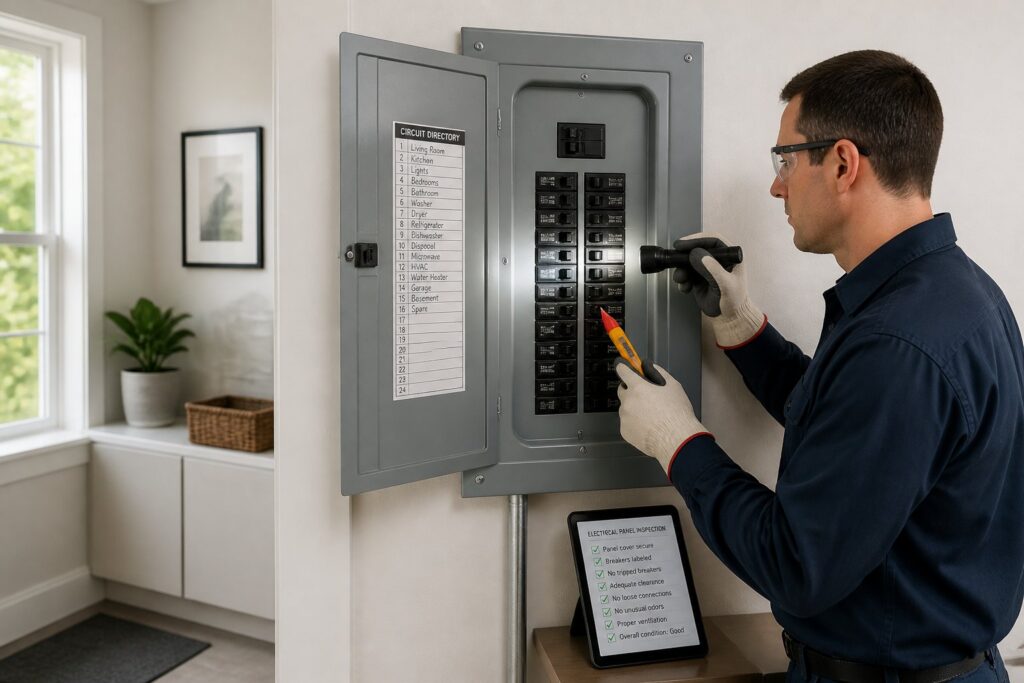
Wondering how to prevent breaker panel overheating before it turns into a bigger problem? The basics: reduce electrical load, keep the panel dry and clean, and fix loose or aging parts before they fail.
If your breaker panel feels hot, smells burnt, or starts tripping often, don’t ignore it. Small changes in how you use electricity and regular checks can help keep your system safer and more reliable.
Why Excess Heat Develops Inside Electrical Panels
Heat in a panel usually comes from too much current, bad connections, or old parts that just can’t handle the load anymore. If you know what’s behind the heat, you’ll make smarter choices about how you use and maintain your panel.
Overloaded Circuits and Sustained High Demand
Running several high-draw devices on one circuit forces the wires and breaker to work overtime. That extra demand builds up heat, especially during long stretches—think summer AC or holiday cooking.
It’s a capacity problem. If your panel carries more than it was built for, heat rises, even if nothing looks wrong on the outside.
Loose Connections and Arcing Risks
Loose wires create resistance, and resistance turns power into heat. Sometimes, electricity jumps a gap—arcing—and that makes things even hotter.
This one’s sneaky. The breaker might stay on while a hidden hotspot quietly gets worse inside the panel.
Warning Signs Homeowners and Facility Managers Should Not Ignore
Panels usually send warning signs before things get dangerous. Pay attention to odd smells, weird sounds, hot surfaces, and any changes in how your circuits act.
Burning Odors, Buzzing Sounds, and Hot Metal Covers
A burnt or plastic smell near the panel usually means something’s overheating. Buzzing, crackling, or a cover that feels hot? That could be loose wires, a failing breaker, or damaged wiring.
If you notice these, don’t keep flipping breakers to “test” them. A quick inspection is safer than waiting for things to get worse.
Frequent Tripping, Flickering Lights, and Power Instability
Breakers that trip a lot are warning you the circuit’s under stress. Flickering lights, dimming when big appliances kick on, and random power drops can all point to panel stress or iffy connections.
These issues might seem minor at first. In reality, they usually show up before you need a bigger repair.
Safe Practices That Reduce Thermal Stress
You can cut down on heat by spreading electrical demand and keeping the area around the panel in good shape. Small habits, done regularly, really do help.
Balancing High-Draw Appliances Across Circuits
Try not to run several big appliances on the same circuit at once. Space out things like microwaves, space heaters, hair dryers, portable ACs, and laundry gear if you can.
If you have a home office, workshop, or business, map out which circuits power which devices. It’s a simple step, but it makes overloads easier to avoid.
Keeping the Area Clean, Dry, and Well Ventilated
Dust, moisture, and clutter around the panel trap heat and make inspections harder. Keep the area at least around the panel clear—don’t stack boxes, chemicals, or cleaning stuff nearby.
Outdoor panels need attention, too. Make sure the enclosure stays sealed and dry, and keep it free from plants, water, or anything blocking it.
When Repairs, Upgrades, or Replacement Become Necessary
Some overheating issues can be solved with repair work, but sometimes the equipment’s just too old or too small for what you need now. The right move depends on age, condition, and your current power demands.
Aging Equipment, Corrosion, and Undersized Capacity
Older panels often can’t keep up with today’s demand—modern HVAC, EV chargers, smart gadgets, and multiple appliances running together. Corrosion, rust, and worn breakers also raise resistance and heat.
If you spot discoloration, melted insulation, or repeat breaker problems, replacement might be safer. Repairs can help for a while, but old equipment tends to keep causing issues.
Benefits of Panel Upgrades and Whole-Home Surge Protection
A panel upgrade can handle more load, cut down on nuisance tripping, and support new gear more safely. It also gives you room for future stuff—EV charging, kitchen upgrades, or extra circuits.
Whole-home surge protection adds another layer. It shields your panel and devices from voltage spikes that can fry components and shorten their lifespan.
Choosing Qualified Electrical Help for Long-Term Reliability
A licensed electrician knows how to spot heat sources you’d probably miss—loose wires, damaged breakers, or hidden load problems. That kind of check is the best way to stop a recurring issue from turning into a real failure.
What Licensed Electricians Check During an Inspection
A solid inspection covers breaker condition, wire tightness, corrosion, load balance, grounding, and heat damage. They’ll also look at how your biggest appliances are spread across circuits.
If you need it, they’ll recommend repairs, new circuits, a panel upgrade, or better protection devices. That way you get a plan, not just guesses.
Residential and Commercial Service Coverage in Central Texas
Magnify Electric provides licensed service for homes and businesses across Spicewood, Austin, Bee Cave, Lakeway, Dripping Springs, Georgetown, Leander, Round Rock, Kyle, Cedar Park, Liberty Hill, Westlake, The Hills, Briarcliff, Horseshoe Bay, Sunset Valley, Hutto, and nearby Central Texas communities. The team handles everything from swapping fixtures to full electrical upgrades, commercial lighting, safety inspections, smart home setups, and emergency repairs.
That includes automated lighting, ceiling fans, switches, Lutron smart systems, EV charging outlets and wall chargers, outdoor lighting, outlet services, recessed lights, TV installs, whole-home surge protection, wiring, panel upgrades and repairs, troubleshooting, generator hookups, smoke and CO₂ detectors, and general improvements for homes and businesses. With such a wide range, you can solve both small issues and bigger panel concerns in one place.
Frequently Asked Questions
What are the most common reasons an electrical panel or breaker gets hot?
Usually it’s overloads, loose connections, aging parts, or corrosion. Breakers can also overheat if they’re running near max load for long stretches, especially in hot weather.
How can I tell if my breaker panel is overheating before it becomes dangerous?
Look for burning smells, buzzing sounds, a hot cover, discoloration, frequent trips, or lights that flicker or dim. If the panel feels warmer than the wall, don’t brush it off.
What should I do right away if I notice a burning smell or heat coming from the panel?
Stop using high-draw stuff if it’s safe, and keep people away. Don’t remove the cover or touch anything exposed—call a licensed electrician ASAP.
How do the 80% rule for breakers and the 120% rule for panels affect heat and load planning?
The 80% rule means you shouldn’t run a breaker at its full rating for long. The 120% rule helps you figure out how much total load a panel can handle when adding power—important for upgrades or new gear.
What maintenance steps can help reduce overheating risk in an outdoor electrical panel?
Keep the enclosure sealed, dry, and clear of rust, dirt, and plants. Make sure there’s airflow and nothing blocks access or traps heat around the box.
How can I keep my electrical panel from running too hot during summer or heat waves?
Try not to run all your heavy appliances at once—spread them out a bit if you can. If you’ve got your HVAC system plugged into a circuit that’s already working overtime, maybe reconsider that setup. Honestly, a quick seasonal checkup goes a long way too; it can spot loose wires or sketchy parts before the heat really starts causing trouble.