If your breaker box starts acting up in Georgetown, TX, you want real steps that actually help. Start by figuring out if a tripped breaker, constant outages, or flickering lights point to an overload, short, or a failing breaker. Getting to the likely cause saves time and keeps you safer.
Here you’ll find straightforward safety checks and a step-by-step troubleshooting approach, plus advice on when it’s time to call in a pro. Magnify Electric’s licensed electricians handle everything—quick resets, outlet repairs, panel upgrades, EV chargers, smart home wiring, and whole-home surge protection in Georgetown and all around Central Texas.
They cover homes and businesses in Spicewood, Austin, Bee Cave, Lakeway, Dripping Springs, Leander, Round Rock, Kyle, Cedar Park, Liberty Hill, Westlake, The Hills, Briarcliff, Horseshoe Bay, Sunset Valley, Hutto, and plenty more. Fast, code-aware, and ready for emergencies.
Understanding Breaker Box Troubleshooting in Georgetown TX
Knowing how your breaker box works, what usually goes wrong, and when to call a licensed electrician helps you keep the lights on and your home safe.
What Is a Breaker Box?
A breaker box—some folks call it an electrical panel—controls all the power in your house.
It’s loaded with circuit breakers that cut power if a circuit overheats or shorts out. That’s what keeps fires at bay and saves your appliances.
You’ll see the main breaker and labels for rooms, HVAC, and big stuff like ovens or EV chargers.
If you spot scorch marks, loose wires, or breakers that feel hot, that’s a red flag—get a pro to check it out.
Magnify Electric’s licensed electricians inspect panels, map circuits, and handle repairs or upgrades.
They do panel upgrades, surge protectors, and wiring to handle modern home loads.
Common Issues for Local Homeowners
Breakers trip a lot when circuits get overloaded—think space heaters, ovens, or too many big devices at once.
Short circuits and ground faults can trip breakers too, sometimes with a burning smell or visible panel damage.
Old breakers lose their touch and might not protect like they should. Rust, loose connections, and those old two-prong outlets show up in Georgetown’s older homes.
Need a panel upgrade for an EV charger, new HVAC, or a home office packed with gear? You’re not alone.
Magnify Electric’s licensed electricians troubleshoot tripping, swap out bad breakers, install EV charging outlets, and do panel repairs.
They work all over Georgetown and Central Texas for homes and businesses.
Why Georgetown TX Homes Have Unique Needs
Georgetown homes mix old wiring with new high-demand stuff like EV chargers and smart systems.
Summer heat pushes A/C circuits to the max, so trips get more common.
Lots of folks add outdoor lighting, pool gear, or surge protectors to keep electronics safe during storms.
Rural spots near Georgetown sometimes need generator hookups or beefed-up service for pole-mounted meters and long wire runs.
Licensed electricians can handle safety inspections, smart home add-ons like Lutron, automated lighting, and generator hookups.
Magnify Electric covers Georgetown, Round Rock, Leander, Austin, Cedar Park, Bee Cave, Lakeway, Dripping Springs, Kyle, Liberty Hill, Westlake, The Hills, Briarcliff, Horseshoe Bay, Sunset Valley, Spicewood, Hutto, and the whole area for electrical work.
Identifying Breaker Box Problems
Let’s talk about spotting panel issues, recognizing tripping patterns tied to certain circuits, and what flickering lights or power surges usually mean for your home and devices.
Warning Signs to Watch For
Feel for breakers that are warm, sniff for burning or musty smells near the panel, or spot scorch marks on breakers or wires. Overheating, loose connections, or arcing—any of these boost your fire risk and need quick attention.
If a breaker won’t reset or trips right after you flip it, that’s usually a short or persistent overload. Labeling circuits makes it easier to trace what’s affected.
If outlets or switches spark, sockets look burnt, or you lose power to several rooms, stop using those circuits and call a licensed electrician. Magnify Electric’s team handles these issues fast, from simple fixes to full panel repairs.
Breaker Tripping Patterns
Jot down when breakers trip and what’s running. If running a space heater or window AC always trips the same breaker, you’re likely dealing with an overloaded circuit. Try moving some heavy devices to another circuit or add new circuits to spread the load.
If flipping on a single device trips the breaker, that device may be faulty or you’ve got damaged wiring. If the same breaker keeps tripping, it might be failing and need replacement or a panel upgrade.
Intermittent trips at certain times—like when a neighbor’s equipment kicks on or during storms—could mean power quality issues from the utility or bad grounding. Magnify Electric handles troubleshooting, panel upgrades, and surge protection in Georgetown and nearby towns.
Flickering Lights and Power Surges
Flickering lights? Usually a loose connection, a dying bulb, or an overloaded circuit. Check the bulbs and fixtures first. If it’s happening to several lights on one circuit, you might have a loose panel or junction box connection.
Power surges that fry electronics often come from bad wiring, nearby lightning, or weak utility service. A whole-home surge protector guards sensitive stuff like TVs and computers. Surge strips help, but they’re not a substitute for a panel-mounted protector.
If lights dim when big appliances start up, you probably need heavier wiring or a dedicated circuit for that appliance. Magnify Electric can check your panel and wiring, add dedicated circuits, or set up EV chargers, smart lighting, and smart home systems to keep things running right in Central Texas.
Safety Precautions Before Troubleshooting
Before you touch anything, turn off power, grab insulated tools, and put on protective gear. Use a flashlight, a non-contact voltage tester, and wear rubber-soled shoes to reduce risk.
Turning Off Main Power
Find your main breaker at the top or side of the panel and flip it OFF to cut power to the house. For multi-panel setups, double-check you’re switching the right main disconnect.
Snap a photo or mark your circuits before flipping anything so you can put things back the way they were. Stand to the side when switching the main—don’t lean on the panel door.
If you can’t reach the main safely or if breakers feel hot or spark, don’t risk it. Call for professional help. Magnify Electric’s electricians can safely shut everything down and handle the work if it’s risky.
Essential Tools and Equipment
Bring a non-contact voltage tester to make sure power’s off at outlets and switches. Use insulated screwdrivers and pliers for electrical work.
A flashlight or headlamp helps you see inside the panel. Rubber-soled shoes and a dry wooden board underfoot add a little extra safety if the floor’s damp.
If you know how, a basic multimeter can help—but don’t poke at live wires if you’re not trained. Keep your phone nearby in case you need help, and have a fire extinguisher (rated for electrical fires) within reach.
Personal Protective Steps
Wear safety glasses to guard against sparks or debris. Use insulated gloves rated for electrical work; regular leather gloves won’t cut it.
Take off metal jewelry, watches, and rings before you start. Tie back long hair and keep loose clothing out of the way.
If you can, work with a partner so someone’s there to call for help if things go sideways. Not sure about a step? Call Magnify Electric—their licensed team in Georgetown and Central Texas can troubleshoot, repair, upgrade, and provide emergency support.
Step-by-Step Breaker Box Troubleshooting Guide
Let’s break down how to spot overloaded circuits, faulty breakers, or loose wiring so you can restore power safely and avoid repeat trips. You’ll see how to test loads, check switch integrity, and inspect connections using basic tools and safe habits.
Testing for Overloaded Circuits
First, note which circuits tripped and what was running—air conditioners, space heaters, or lots of appliances? Turn off or unplug heavy stuff on that circuit before you reset the breaker.
Reset by switching fully OFF, then ON. If it trips right away, unplug everything and try again. Use a plug-in watt meter or check appliance labels to add up the loads—compare that to the circuit’s rating (usually 15A or 20A). If you’re always close to the limit, move some devices or get a dedicated circuit for the big stuff.
If the breaker stays on but trips later under heavy use, it’s probably time for load balancing or a panel upgrade. Magnify Electric’s electricians can check load distribution and add dedicated circuits or subpanels to stop overloads.
Inspecting Breaker Switch Integrity
Check the panel with the cover closed. Notice burning smells, scorch marks, or melted plastic? Get pro help immediately. If a breaker feels loose, buzzes, or gets hot, it’s probably failing.
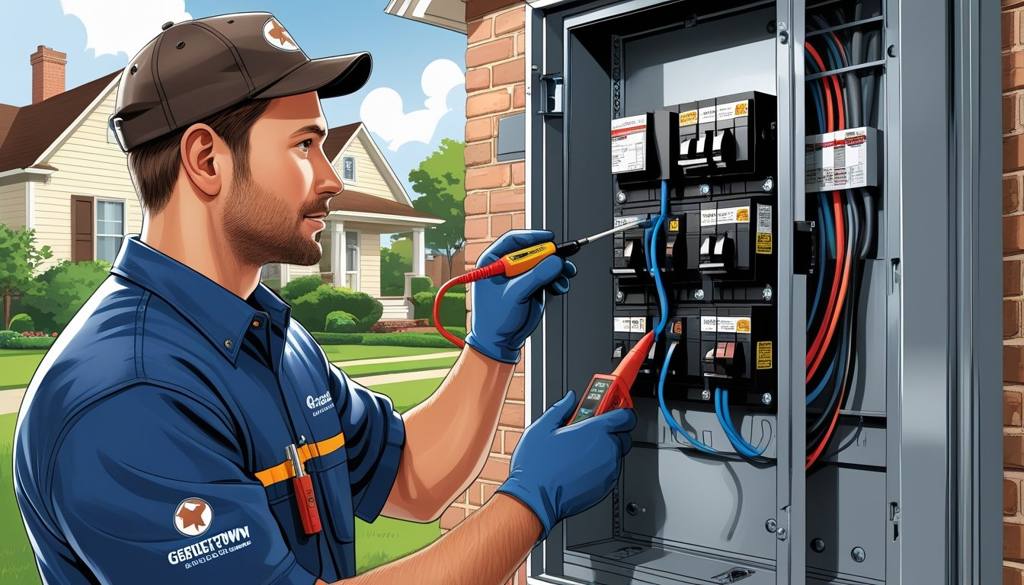
With the main power off and safety gear on, take off the panel cover. Look for corrosion, rust, or arcing at the breaker. Test the breaker toggle—it should move smoothly and click into place. If it won’t stay ON or trips with no load, you need a new breaker. Only licensed electricians should replace breakers; doing it wrong is dangerous. The Magnify Electric crew handles breaker swaps, panel repairs, and upgrades for homes and businesses all over Central Texas.
Checking for Loose Connections
Loose connections cause flickering power, arcing, and heat. Flip off the main breaker before opening the panel, and use insulated tools and gloves when you inspect terminals and bus bars.
Look for wires that slipped out, discolored insulation, or tiny burn spots. Tighten loose terminal screws to the right torque—not too tight. Check neutral and ground connections in the panel and at the first device on the circuit. If you find damaged insulation, frayed wires, or overheating, stop and call a licensed electrician.
Magnify Electric’s techs fix loose connections, reterminate wiring to code, and do full safety inspections in Georgetown, Austin, Round Rock, and nearby towns. They handle everything from outlet fixes to full panel rewiring and emergency repairs.
When to Call a Licensed Electrician in Georgetown TX
If you’re dealing with repeated breaker trips, burning smells, or scorched outlets, don’t wait. A licensed electrician can find the problem, protect your home, and make repairs that last.
Recognizing Complex Electrical Issues
If your breaker trips more than once a month, or snaps off right after you reset it, you’re probably dealing with an ongoing problem. When breakers feel hot, lights flicker in several rooms, or outlets spark, that’s a red flag—something’s up with your wiring or the panel, and you really need a professional.
When you see burn marks, melted plastic, or catch a burning odor, stop using that circuit and call an electrician immediately. Don’t ignore intermittent power, unexplained voltage drops, or lights dimming when big appliances kick on. These can point to overloaded circuits, bad breakers, or hidden faults you can’t see.
Trusted Local Electrician Services
Magnify Electric has licensed electricians working in homes and businesses all over Georgetown, plus Austin, Round Rock, Leander, Lakeway, Bee Cave, Dripping Springs, and plenty of other Central Texas spots. They’ll handle anything from a quick fix to a total upgrade.
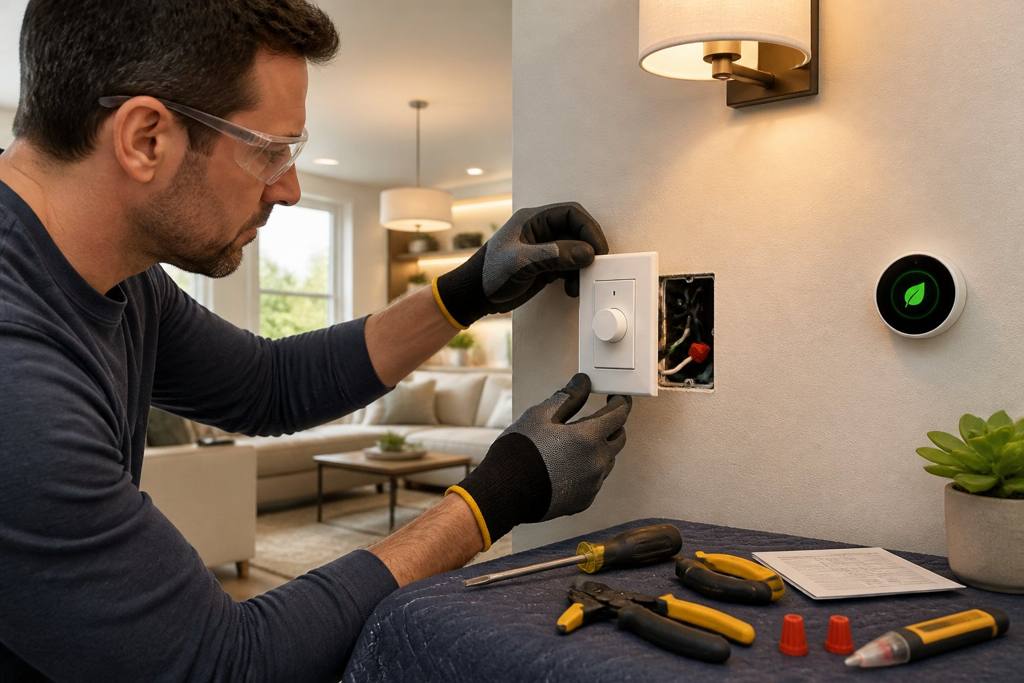
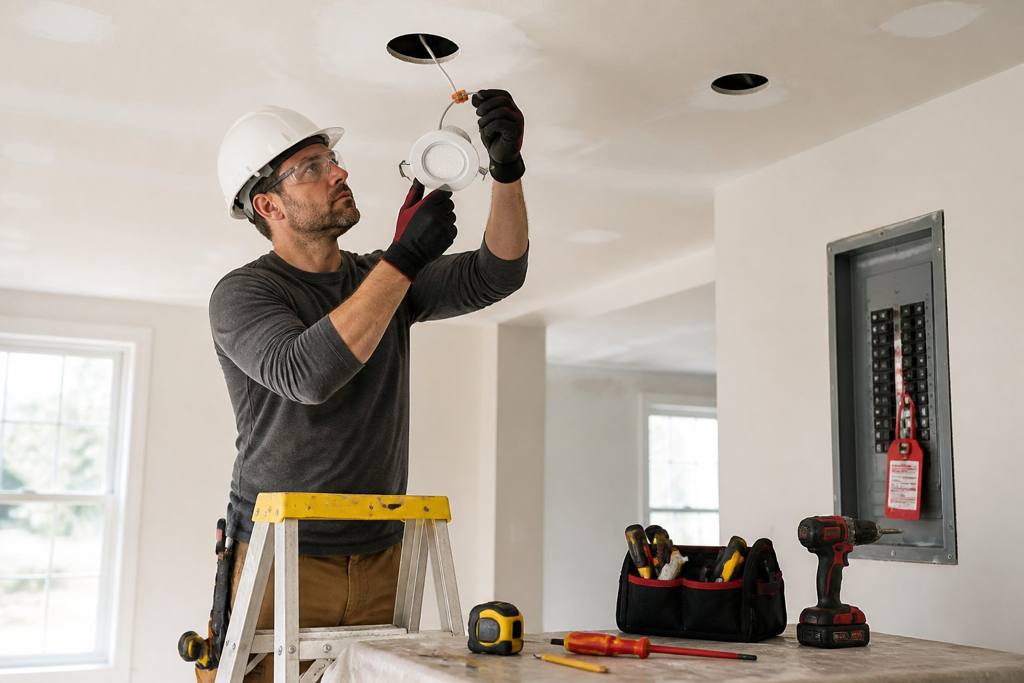
Their team installs automated lighting, ceiling fans, switches, Lutron smart home gear, EV charging outlets, outdoor lighting, new outlets, recessed lights, TVs, and surge protectors. They’ll also tackle wiring, panel upgrades, troubleshooting, generator hookups, smoke and CO₂ detectors, and general improvements.
Questions to Ask Your Electrician
Ask if they’re licensed and insured—don’t just take their word, get proof before they start. Get a detailed written estimate, breaking out labor, parts, permit fees, and the timeline.
Ask how they’ll test the circuit and if they think you need a panel upgrade or surge protection. For smart-home or EV projects, check which brands they work with, what permits you’ll need, and what kind of warranty you get on parts and labor. Also, ask how they handle emergencies and what safety steps they follow during repairs.
Preventative Maintenance Tips for Breaker Boxes
Keep your breaker box clean, checked, and professionally inspected on a regular schedule. Catching small problems early can help you avoid outages, overheating, and expensive repairs.
Routine Visual Inspections
Every month or so (or at least every few months), take a look at your breaker box. Watch for loose wires, scorch marks, or any sign of moisture. If breakers are stuck between ON and OFF, or if the labels don’t match the circuits, that’s a clue something’s off.
Listen for buzzing or humming when appliances are running—sounds like that usually mean a loose connection or a circuit that’s working too hard.
Make sure the panel door closes all the way and the cover screws are tight. Never touch breakers or wires with wet hands. If you spot corrosion, water stains, or burned insulation, shut off the main breaker and call a pro.
It helps to keep a simple log of any breaker trips, resets, or weird signs—note the date and what appliances were running. That way, if you call a tech, you’ve already got a head start on tracking down the problem.
Cleaning and Care Recommendations
Before you clean around the panel, turn off the main breaker. Wipe dust and debris off the exterior with a dry cloth or a vacuum. Never spray cleaners or water anywhere near the box.
Trim back any plants, and don’t store anything closer than three feet to the panel—this keeps airflow up and avoids accidental bumps. Replace any torn or missing panel covers right away.
If you smell burning or see melted plastic, stop using nearby circuits and call a licensed electrician. Don’t try to clean or tighten anything inside the panel yourself—leave that to folks with the right training and tools.
Scheduling Professional Assessments
Book a licensed electrician for a full panel check every couple of years—every 2–5 years is smart, or sooner if you’re seeing frequent trips or flickering lights. The pros will test breakers, tighten connections, and look for hidden heat or bad bus bars.
Ask them to run an infrared scan to spot hot spots, and double-check breaker sizing for big appliances like EV chargers or HVAC units. If you’re planning an EV charger, surge protector, or panel upgrade, schedule this assessment before you start the project.
Magnify Electric’s licensed electricians handle everything from basic fixture swaps to full panel upgrades, smart home systems, EV charging outlets, and emergency repairs. They cover Georgetown, Spicewood, Austin, Bee Cave, Lakeway, Dripping Springs, Leander, Round Rock, Kyle, Cedar Park, Liberty Hill, Westlake, The Hills, Briarcliff, Horseshoe Bay, Sunset Valley, Hutto, and nearby towns.
Breaker Box Upgrades and Replacement Considerations
Watch for clear signs your panel can’t keep up, pick a replacement that fits your home’s wiring and future plans, and expect better safety and performance from modern equipment.
Signs You Need an Upgrade
If your breakers trip every time you run a few appliances, your panel might be too small. Lights that flicker when the HVAC or kitchen gear starts up also signal overloads. Panels over 20–30 years old usually can’t handle today’s demands and may have worn connections that increase fire risk.
Rust, burn marks, buzzing, or breakers that won’t reset are urgent warnings. Planning to add an EV charger, new HVAC, or a room addition? You’ll probably need more amperage or extra circuits. Get a licensed electrician to check for loose wiring, outdated fuse boxes, or recalled panel brands.
Choosing the Right Replacement Model
Match your new panel’s amperage to your home’s actual load and any upgrades you’re planning. Most homes move from 100A to 200A to support EV chargers, electric ranges, or HVAC. Pick a panel brand and breakers that fit your grounding and neutral setup.
Look for labeled spaces and room to add circuits later. Consider panels with built-in surge protection or slots for whole-home surge devices. Make sure whoever installs it follows Georgetown’s local code and pulls permits. Magnify Electric’s licensed electricians will calculate your load, recommend a panel, and install it to code and for your future needs.
Benefits of Modern Breaker Boxes
Modern panels use better materials and tighter connections, and the new breaker tech means fewer nuisance trips. Upgrading gets rid of hazards tied to old designs and lowers fire risk from overheated bus bars or loose lugs.
You’ll have space for new stuff—EV chargers, smart home gear, or whole-home surge protection. Troubleshooting is also faster since labeling is clearer and circuits are organized. A modern panel sets you up for future upgrades—lighting, automation, even a generator hookup—making your property safer and more reliable.
Magnify Electric’s licensed electricians take care of everything from fixture swaps to full panel upgrades, smart home integrations, commercial lighting, and emergency repairs. We cover Spicewood, Austin, Bee Cave, Lakeway, Dripping Springs, Georgetown, Leander, Round Rock, Kyle, Cedar Park, Liberty Hill, Westlake, The Hills, Briarcliff, Horseshoe Bay, Sunset Valley, Hutto, and all around Central Texas.
Georgetown TX Electrical Codes and Compliance
These rules spell out how panels need to be installed, when you need permits, and what inspectors check. They’re there to protect your home and make sure upgrades are both safe and up to code.
Key Regulations for Residential Panels
Texas follows the National Electrical Code (NEC), but Georgetown adds a few local twists. Your panel has to meet NEC standards for grounding, breaker sizing, wire ampacity, and clear workspace. Kitchens, laundry, HVAC, and EV chargers usually need their own 20–30 amp circuits, or more if the load is higher.
All circuits must have labels. Breakers and panels need manufacturer markings and must be listed for the installation. Old fuse boxes or 60A panels often need upgrades to 100A or 200A for today’s loads, especially with EV chargers or surge protectors.
If you’re planning a panel swap or adding circuits, use the right size wire, torque lugs to spec, and keep a 30-inch clear space in front of the panel. DIY panel work without permits can mean failed inspections and safety issues. Licensed electricians handle the math and paperwork to keep things on track.
Permits and Inspections Overview
You’ll need to pull permits for panel upgrades, service changes, big rewiring jobs, and most new circuit installs in Georgetown. Permits make sure your work follows NEC and local rules. When you apply, expect to submit load calculations, a work description, and your new panel layout if you’re upgrading to 200A or adding an EV charging circuit.
Inspections happen at key points: rough wiring, panel install, and final energizing. Inspectors check grounding, neutral-bonding, GFCI/AFCI placement, and breaker labeling. If you fail, you’ll need to fix things before the power comes back on. Hiring licensed electricians speeds up permits and cuts down on do-overs—they know what plans to file and how to address code during installation.
Staying Up to Code in Texas
Texas updates to the latest NEC cycles, but cities and counties set their own adoption dates, so codes can shift every few years. Double-check Georgetown’s current code before you start a project. It affects AFCI, GFCI, tamper-resistant outlets, smoke/CO₂ detector locations, and EV charger rules.
Magnify Electric’s licensed electricians keep up with these changes and cover everything from outlets to surge protectors and EV chargers. We serve Spicewood, Austin, Bee Cave, Lakeway, Dripping Springs, Georgetown, Leander, Round Rock, Kyle, Cedar Park, Liberty Hill, Westlake, The Hills, Briarcliff, Horseshoe Bay, Sunset Valley, Hutto, and nearby areas. You can count on us for safe panel upgrades, smart home tie-ins, commercial lighting, and emergencies.
Energy Efficiency and Safety Enhancements
You can cut energy waste and lower safety risks with a few targeted upgrades. The right devices and plans protect sensitive gear, lower bills, and help keep you up to code.
Using Surge Protectors
Whole-home surge protectors at your breaker panel stop big voltage spikes from damaging appliances and electronics. They work alongside plug-in protectors for a layered defense for things like TVs, computers, and HVAC.
Pick surge protectors rated for your panel’s amperage and with a quick response time. A licensed electrician will size and wire it up right, tying it to your grounding system for code compliance.
Magnify Electric’s licensed electricians install and test whole-home surge protectors and outlet-level devices. We serve Georgetown and nearby Central Texas communities, making sure your EV charger, fridge, and office gear are safe.
Smart Home Integration Options
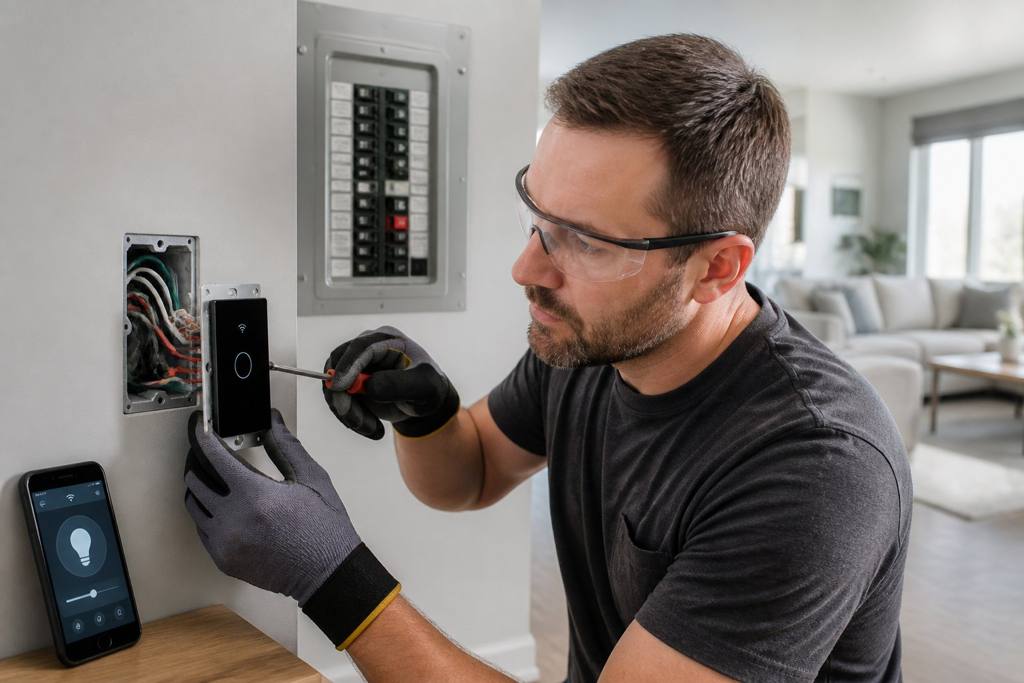
Smart breakers and load monitors let you track energy use by circuit and schedule loads for off-peak times. You can control lights, ceiling fans, and outlets with apps or voice—makes it easier to cut waste.
Consider Lutron systems for lighting or smart breakers for instant circuit alerts. A pro will install compatible wiring and set up scenes so lights and outlets react to occupancy or time of day.
Our team sets up Lutron smart home systems, recessed lighting, outlets, and automated lighting. We’ll make smart integrations work with EV charging outlets and whole-home systems, so you get more convenience and lower bills.
Long-Term Safety Planning
Plan ahead for panel upgrades—don’t wait until breakers are overloaded. Swap out old panels, bad breakers, and worn wiring to stop nuisance trips, flickering, and fire hazards. Schedule safety checks every 3–5 years, or sooner if you remodel.
Install smoke and CO₂ detectors on protected circuits and add generator hookups or transfer switches for safe backup power. Keep a clear, updated label map on your breaker box so you can shut off circuits fast in an emergency.
Magnify Electric’s licensed electricians handle panel upgrades, repairs, safety checks, and generator hookups across Austin, Round Rock, Cedar Park, Leander, Kyle, and nearby areas. You’ll get honest advice and practical plans to keep your place safe and efficient.
Frequently Asked Questions
Here you’ll find straightforward steps to check breakers, spot the signs of a failing breaker, figure out what buzzing or repeat trips mean, and know when it’s time to call a pro. There’s also info on simple maintenance to help keep your panel working safely.
What are the steps to safely troubleshoot a breaker box?
First off, turn off everything on the circuit and unplug any sensitive electronics. Stand on something dry—seriously, don’t ignore that—and make sure your hands aren’t wet. If the area’s dim, grab a flashlight.
Only open the panel cover if you’re comfortable doing so. Once you’re in, check for obvious damage, burn marks, loose wires, or a breaker that’s stuck between ON and OFF.
To reset a tripped breaker, push it all the way to OFF, then flip it back to ON. If it trips again right away or you see sparks, stop there and call a professional.
How can I tell if my circuit breaker needs to be replaced?
If your breaker keeps tripping even when you’re not overloading it, that’s a red flag. Frequent trips usually hint at wear or internal issues.
Check for scorch marks, any weird burning smell, or a breaker that just refuses to stay ON. Flickering lights or a warm panel cover are also signs something’s up.
An electrician can test your breakers with the right tools to figure out if they’re actually bad before swapping them out.
What should I do if my breaker box is making a buzzing noise?
A constant buzzing noise usually means you’ve got loose connections or maybe an overloaded circuit. Turn off the breaker making the noise and unplug whatever’s on that line.
If the buzzing keeps going, don’t poke around inside. That sound could mean there’s a real electrical problem, so it’s time to call a licensed electrician.
Why does my breaker keep tripping, and how can I fix it?
Breakers trip from overloads when you plug in too much stuff. Try moving devices to another circuit or just unplug a few things.
If you get immediate trips, sparks, or that burnt smell, you might have a short circuit or ground fault. Don’t mess with that—let a pro handle it.
Sometimes the breaker itself is just faulty and trips for no clear reason. An electrician can test and replace it if that’s the case.
Can a homeowner fix a breaker box issue, or should I call a professional?
You can reset breakers, look for obvious damage, and move some devices to different circuits. If you know what you’re doing and follow local codes, basic stuff like swapping out a light switch or outlet isn’t out of reach.
But don’t open up the panel to rewire things, tighten bus connections, or replace breakers unless you’re licensed. For anything involving repairs, upgrades, weird smells, sparks, buzzing, or stubbornly tripping breakers, just call a professional.
Magnify Electric’s licensed electricians cover everything from quick fixture swaps to full panel upgrades, automated lighting, Lutron smart systems, EV chargers, whole-home surge protectors, generator hookups, and emergency repairs. We’re pretty confident we can handle whatever you throw at us—safely and reliably.
What maintenance can I perform on my breaker box to prevent issues?
Try to keep the space around your panel clean, dry, and easy to reach. Make sure the covers and labels stay in place so you can actually tell which circuit is which.
Every so often, test your GFCI and AFCI devices following the directions from the manufacturer. It’s also a good idea to have a professional come out for a safety inspection every few years—they’ll spot loose connections, corrosion, or breakers that are starting to wear out before you even notice a problem.
We serve Spicewood, Austin, Bee Cave, Lakeway, Dripping Springs, Georgetown, Leander, Round Rock, Kyle, Cedar Park, Liberty Hill, Westlake, The Hills, Briarcliff, Horseshoe Bay, Sunset Valley, Hutto, and the surrounding Central Texas area. If you need testing, repairs, smart-home wiring, outdoor lighting, or a panel upgrade, reach out to a licensed electrician.