You’ll want to know how to maintain electrical panels for longevity if you care about keeping your electrical system safe, reliable, and up to speed with today’s power needs. If you ignore your panel, it’ll wear out a lot faster—heat, moisture, dust, and heavy use can all do a number on it. That’s when you start getting tripped breakers, fried parts, or bigger safety headaches.
Honestly, the best plan is pretty straightforward: keep the panel clean, watch for warning signs, don’t overload it, and book regular checkups with a licensed electrician. Simple habits like that will help your panel last longer and save you from surprise repairs.
Panels can stick around for decades, but how you treat them makes a big difference. If you tuck yours into a dry, open spot and don’t overload it, it’ll usually outlast one crammed in a closet or stuck in a damp corner.
Why Panel Upkeep Matters
Your electrical panel’s basically the heart of your home or business power. When it’s in good shape, everything runs smoother and your appliances don’t get stressed out.
Routine upkeep helps you spot little problems before they become expensive messes. That’s huge for both safety and keeping things running.
Safety Risks of Neglect
If you let your panel go, it can overheat, arc, or shake loose some connections. That’s a recipe for fire, shocks, or sudden blackouts.
Moisture and corrosion only make things worse. If you spot rust, water stains, or smell something burning, don’t wait—call a pro right away.
Effects on System Performance
Old breakers or loose connections can cause nuisance trips, flickering lights, or weird power blips. That kind of stuff interrupts your day and can wear out your appliances.
If you keep up with maintenance, your panel will handle normal use without breaking a sweat. It’s all about cutting down on heat and wear inside.
Core Inspection Points
A quick visual check tells you a lot about how your panel’s holding up. Watch for heat marks, rust, damp spots, and make sure every breaker is labeled clearly.
You don’t need to open anything up—just look. If something seems off, stop and call a licensed electrician.
Signs of Heat, Corrosion, and Moisture
Check for dark spots near breakers, melted plastic, or a hot panel cover. Any of those means too much heat or a bad connection.
Rust, green or white fuzz, and water marks are red flags for corrosion or leaks. Even a tiny drip nearby can turn into a real headache if you ignore it.
Breaker Labeling and Circuit Organization
Clear labeling saves you time during an outage and helps you spot load issues fast. Every breaker should match up with the right room or device.
If the labels are a mess or missing, fix them after checking which circuit goes where. Good labels make life easier for you and any electrician working on your system.
Cleaning and Environmental Protection
Keeping the area around your panel clean helps it stay cool and makes inspections easy. Too much dust, clutter, or dampness will just wear your panel out faster.
Aim for a dry, open space that’s easy to reach. That’s honestly half the battle for safety and performance.
Keeping Dust and Debris Under Control
Dust piles up inside and around the panel, trapping heat and blocking airflow. Wipe the outside with a dry cloth and keep the space clear of boxes or junk.
Don’t spray cleaners or use wet tools near the panel. If there’s a ton of grime inside, leave it to a pro.
Managing Ventilation and Surrounding Conditions
Panels need space to breathe. Don’t stack boxes, furniture, or tools in front of them.
Keep things dry and watch for leaks, drips, or even sprinkler spray. If your panel’s in a humid spot, a little extra ventilation makes a big difference.
Load Management and Upgrade Planning
Panels wear out faster if you overload them. Paying attention to how much juice you’re pulling can prevent trips and overheating.
If you’ve added big appliances, chargers, or new equipment lately, it might be time for a panel review. Sometimes, an upgrade just makes sense.
Recognizing Overloaded Circuits
If a breaker keeps tripping, that circuit’s probably working too hard. You might also see lights dim when a big appliance kicks on.
Try spreading out heavy loads across different circuits. If trips keep happening, call an electrician to check the load and see what’s up.
When Expansion or Replacement Makes Sense
Older panels can’t always keep up with new gadgets, EV chargers, or bigger HVAC units. Sometimes, fixing one part isn’t enough.
If your panel’s too small, outdated, or keeps having issues, think about replacing or expanding it. Magnify Electric is a solid pick for Residential and Commercial Electrical Work—our licensed electricians handle panel upgrades, repairs, troubleshooting, surge protection, lighting, EV charging, smart home setups, and safety work with a practical, careful approach.
Professional Service and Preventive Scheduling
Some stuff you can check yourself, but anything inside the panel should be left to a pro. Licensed electricians can test, tighten, and inspect parts you shouldn’t mess with.
Set up a regular schedule so maintenance doesn’t fall through the cracks. It’s one of the easiest ways to help your panel last.
What Licensed Electricians Should Handle
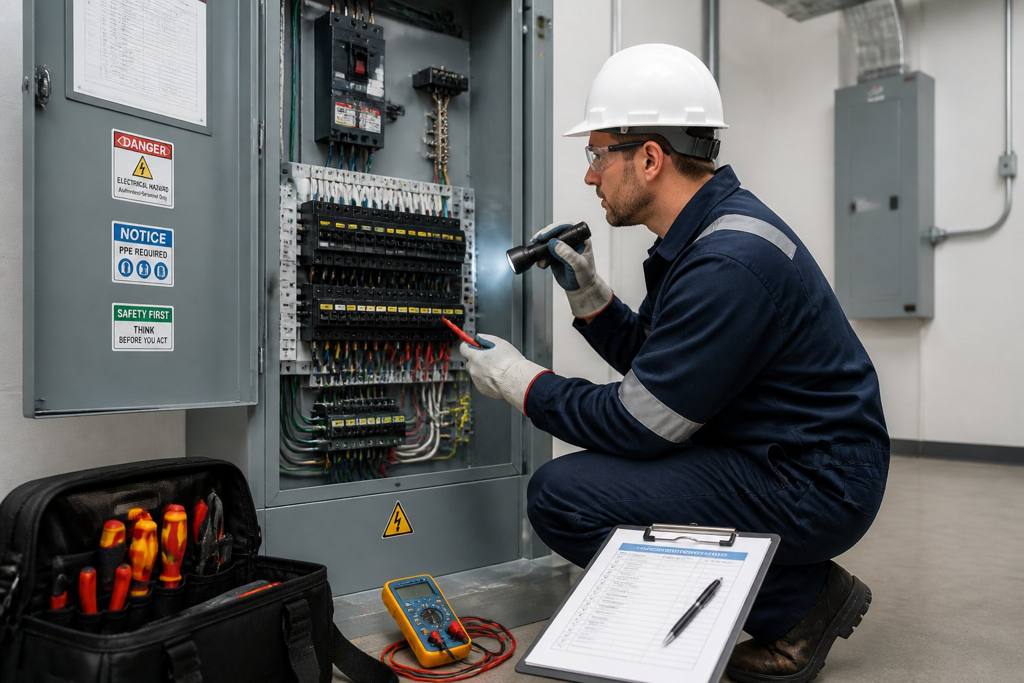
Electricians should check inside connections, test breakers, check grounding, and look for heat damage. They’ve got the right tools to spot problems you can’t see.
Let them handle repairs, breaker swaps, panel upgrades, and anything inside the box. It’s safer for everyone and better for your whole system.
Recommended Maintenance Intervals
For most homes, aim for a professional inspection every 1 to 3 years—sooner if your panel’s old or works hard. Businesses usually need more frequent checks, depending on how much power they use.
Get service right away after a power surge, water leak, burning smell, or if a breaker keeps tripping. Magnify Electric covers Spicewood, Austin, Bee Cave, Lakeway, Dripping Springs, Georgetown, Leander, Round Rock, Kyle, Cedar Park, Liberty Hill, Westlake, The Hills, Briarcliff, Horseshoe Bay, Sunset Valley, Hutto, and nearby Central Texas areas—for everything from swapping a light fixture to full upgrades, commercial lighting, safety checks, smart home installs, and emergency support.
Frequently Asked Questions
How often should electrical panels be inspected to keep them in good condition?
A pro should check your panel every 1 to 3 years for most homes, sooner for older or heavily used setups. If you notice tripped breakers, heat, or moisture, don’t wait.
What are the warning signs that an electrical panel needs servicing or repair?
Look for breaker trips, burning smells, buzzing, heat, rust, corrosion, or flickering lights. If you see water damage or melted parts, stop using that circuit and call an electrician.
What cleaning steps are safe to take around an electrical panel without risking damage?
Keep the area outside clean, dry, and uncluttered. Wipe the exterior with a dry cloth. Don’t use water, sprays, or vacuums inside, and don’t remove the cover—leave that to a pro.
How can I prevent overheating and nuisance breaker trips in my electrical panel?
Spread out big loads on different circuits and avoid plugging too many high-demand devices into one spot. If trips keep happening, have an electrician check for loose connections, weak breakers, or an undersized panel.
When should breakers or other panel components be replaced instead of reset or reused?
If a breaker trips often, feels hot, looks damaged, or won’t reset, it probably needs replacing. Don’t reuse parts that show wear, corrosion, or burn marks.
What moisture and corrosion prevention tips help protect an electrical panel over time?
Try to keep the panel somewhere dry—honestly, moisture’s the real enemy here. If you spot a leak, don’t wait around; fix it fast. Don’t pile up soggy stuff nearby, either. Make sure there’s some airflow, seal up any weird gaps or holes, and every now and then, peek inside for any rust or suspicious water stains. It’s not rocket science, but small habits like these can save you a headache later.